


other services


All Weather Tires vs All Season Tires: What Edmonton Drivers Need to Know
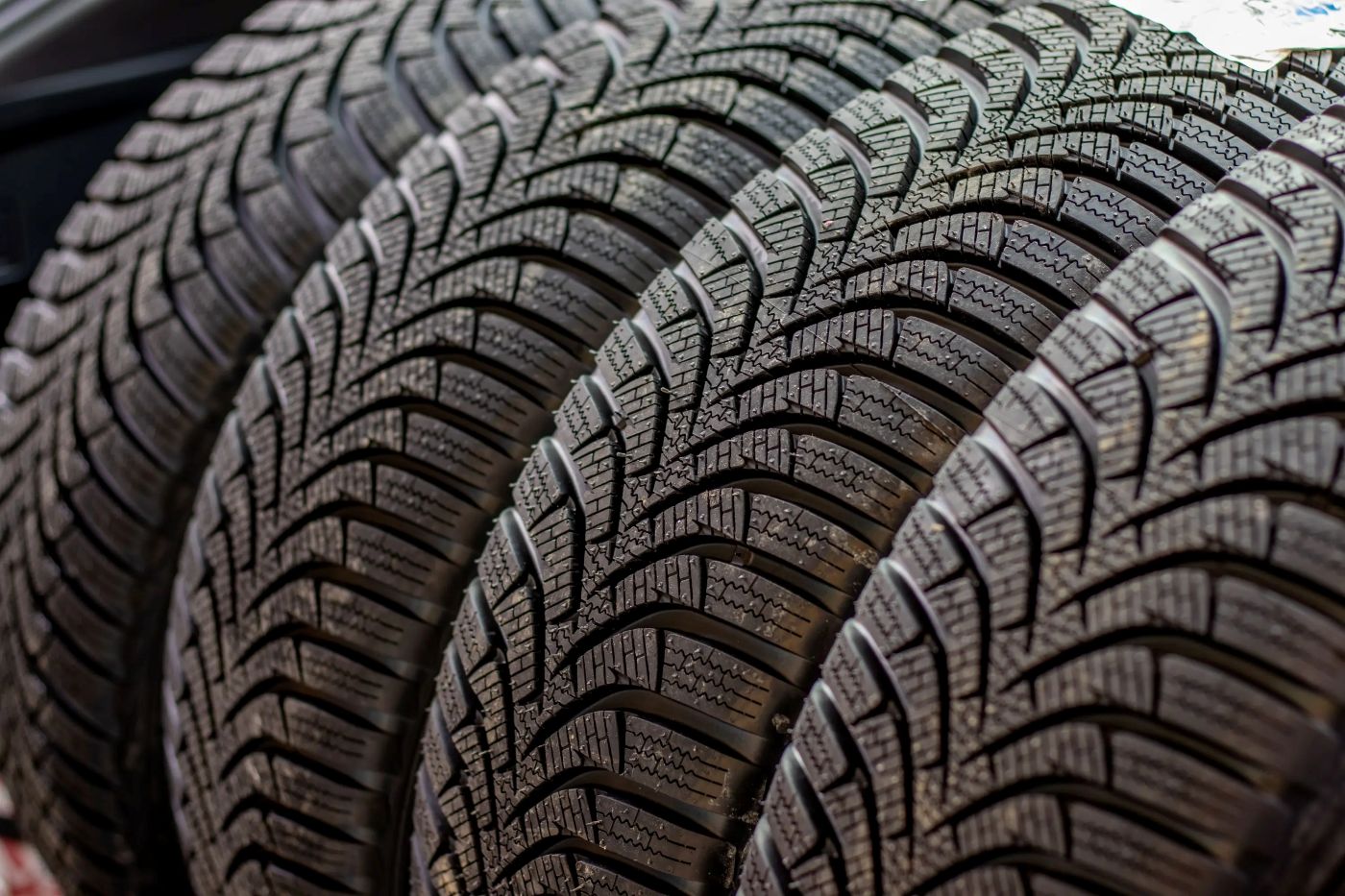
Choosing the right tires shapes how your vehicle handles Edmonton’s dramatic temperature swings and unpredictable winter conditions. Understanding how all weather and all season tires differ helps drivers choose the safest and most practical option for year round use. Many local drivers rely on the technicians at Good News Auto for guidance on how each tire type performs across the seasons and which setup offers the best balance of safety, longevity, and value.
What Are All Season Tires
All season tires are designed for mild climates with long periods of warm or moderate temperatures. Their rubber compound stays firm in the heat, supporting stable handling, predictable steering, and longer tread life. Tread patterns on all season tires focus on moving water away from the contact patch to reduce hydroplaning and maintain traction on wet and dry pavement.
Once temperatures fall below seven degrees Celsius, the rubber begins to harden. This reduces its ability to grip cold pavement and increases stopping distances on snow and ice. Because all season tires typically do not carry the three peak mountain snowflake rating, they offer limited safety during the severe winter conditions Edmonton frequently experiences. Many drivers confirm this after speaking with technicians at Good News Auto later in the season when traction issues become more noticeable.
What Are All Weather Tires
All weather tires blend winter capability with year round convenience. Their rubber compound stays flexible in freezing temperatures, allowing the tread to better conform to icy or snow covered surfaces. Many all weather models carry the three peak mountain snowflake rating, confirming they meet recognized winter traction standards.
These tires use deeper grooves, stronger siping, and specialized tread block designs to handle slush and light snow. This makes them a dependable choice for Edmonton’s rapid freeze thaw cycles. While all weather tires outperform all season models in winter conditions, they still fall short of the heavy duty traction provided by dedicated winter tires.
Performance Differences in Edmonton Winters
Edmonton’s winter roads often shift between dry, icy, slushy, and snow packed within the same week. Under these conditions, all season tires lose effectiveness because their hardened rubber and moderate tread layout cannot generate the grip needed for confident control.
All weather tires stay more responsive during cold weather. Their softer compound helps maintain traction during braking, acceleration, and cornering. Increased siping improves control on ice and compact snow, while their slush evacuation ability offers stronger stability during daytime melting and overnight refreezing.
Braking and Traction Details for Edmonton Conditions
Braking on ice is where the gap between all season and all weather tires becomes most obvious. All season tires stiffen in freezing temperatures, causing the tread to lose contact with the road’s tiny surface textures. This leads to longer stopping distances, especially on black ice or polished intersections. All weather tires stay flexible, allowing the tread to create micro level grip through their higher siping density.
On snow packed roads, all weather tires maintain traction more effectively by interlocking with the compressed snow. All season tires struggle because their tread blocks and shallow depth are not engineered for compacted surfaces.
Edmonton’s slush conditions reveal another clear difference. All weather tires evacuate slush more effectively through deeper channels, reducing side to side slipping and improving steering stability. All season tires can float on top of slush, which increases the risk of losing control during lane changes or quick braking.
Pros and Cons of All Season vs All Weather Tires
All season tires offer quiet operation, long lifespan, and reliable performance in warm and moderate temperatures. Their drawback is a significant loss of traction once temperatures drop.
All weather tires provide stronger winter performance without requiring seasonal tire changes. They deliver safer braking and more stable handling on cold pavement and snow. Their tradeoff is faster wear during hot summer months and slightly more road noise.
Drivers focused on warm weather mileage and comfort often choose all season tires. Drivers who want dependable winter capability year round typically lean toward all weather options.
Temperature Range and Material Performance
Modern tire performance depends heavily on how rubber compounds respond to temperature changes. All weather tires use silica enriched blends that stay elastic in sub zero conditions, while all season tires stiffen quickly as temperatures fall. This stiffness limits the tread’s ability to interlock with pavement and reduces traction. All weather tires also feature higher siping density and deeper tread depth, allowing them to bite into snow and slush more effectively.
All season tires work best when temperatures remain consistently above seven degrees Celsius. Below that point, rolling resistance increases, braking distances lengthen, and grip weakens. All weather tires maintain stronger cold weather flexibility, making them a safer option during Edmonton’s early winter mornings and freeze thaw transitions.
When Dedicated Winter Tires Are Still Recommended
Edmonton’s coldest and snowiest days create conditions that exceed what all season and all weather tires can safely handle. Dedicated winter tires stay soft in harsh cold and use aggressive tread designs that grip ice and packed snow more effectively. They offer shorter braking distances and more reliable handling during storms or on untreated roads.
Winter tires are especially helpful for early morning commuters, rural drivers, and anyone who must travel during heavy snowfall. For tailored recommendations or installation work, Good News Auto offers complete tire services to match the right setup to each driver’s needs.
When you are ready for a seasonal swap or need professional support, you can quickly book an appointment and have a technician prepare your vehicle for winter.