


other services


Car Won’t Start: Battery, Starter, or Alternator?
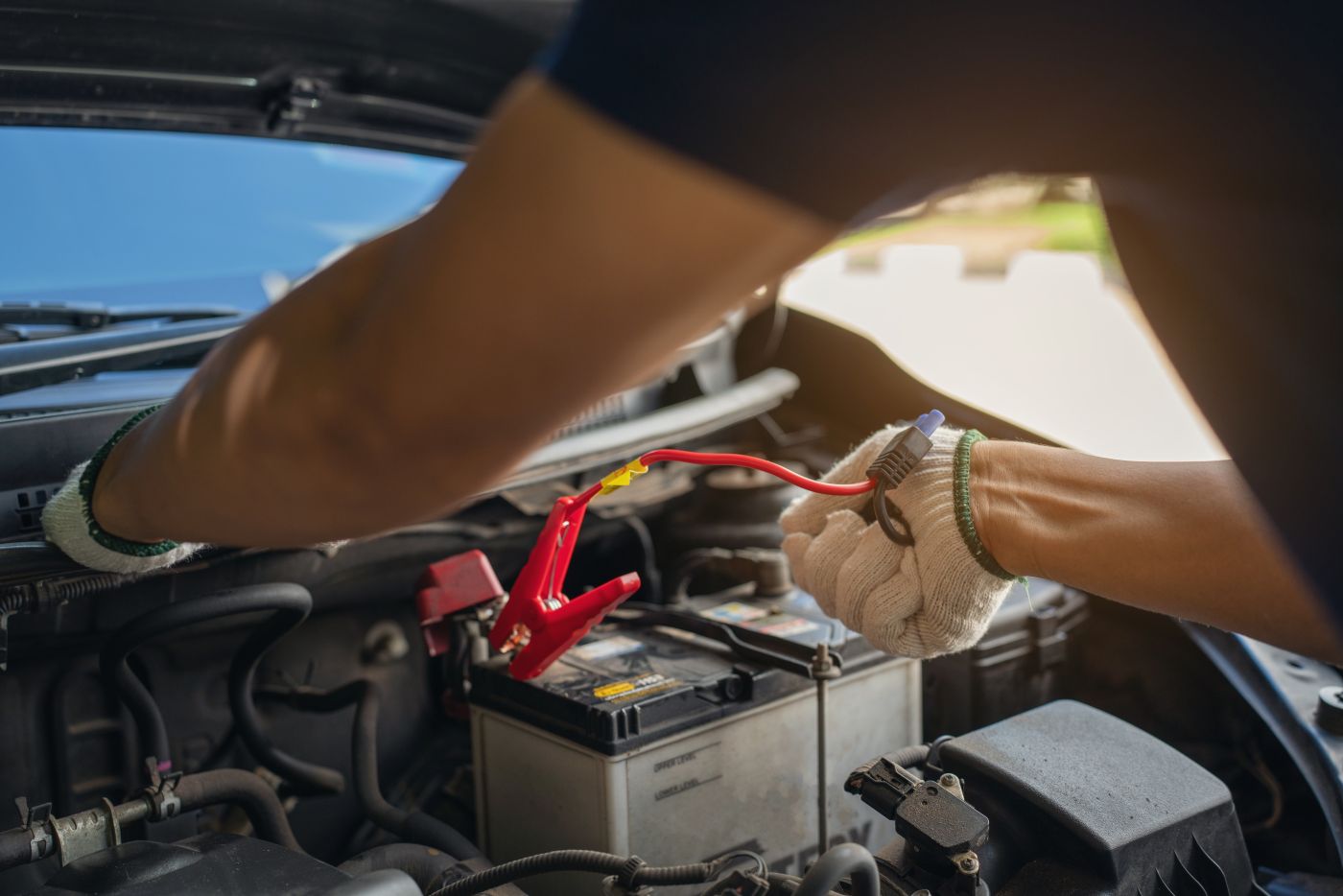
When your car will not start, the sound it makes, the strength of its electrical system, and what happened before the failure can help narrow the cause. Rapid clicking and dim lights often indicate low battery power, while a single click with strong lights can point toward the starter circuit. An alternator problem usually prevents the battery from receiving enough charge while the engine runs, although the failure may not become apparent until the next starting attempt. Because loose cables and other electrical faults can produce similar symptoms, Good News Auto uses diagnostic testing to identify the failed component before recommending a repair.
What Your Car Does When It Will Not Start
A no-start problem generally falls into one of three symptom groups. Distinguishing between them helps determine which system requires testing. A no-crank condition means the engine does not turn when the key is turned or the start button is pressed. You might hear one click, several clicks, or nothing. Common causes include a discharged battery, poor battery connections, a failed starter, a defective relay, or a problem with the ignition or security system.
A slow-crank condition means the engine turns more slowly than usual but does not start. Low battery output is a common cause, particularly in cold weather. Corroded cables, excessive resistance in the starting circuit, thick cold engine oil, or a starter drawing too much current can produce a similar result.
If the engine cranks at its normal speed but does not run, the battery and starter are usually performing their basic mechanical roles. However, system voltage can sometimes remain high enough to crank the engine while being too unstable for control modules, fuel delivery, or ignition operation. Other possible causes include engine timing, sensor, immobilizer, fuel, or ignition faults.
An engine that starts and immediately stalls requires a further distinction. Fading lights, multiple electrical warnings, or a loss of accessory power can indicate inadequate charging voltage. If the electrical system remains stable, the cause is more likely to involve fuel delivery, ignition, sensors, or the security system.
Stop attempting to start the vehicle if you hear grinding, see smoke, smell burning insulation, or notice that a battery cable becomes hot. Repeated cranking can overheat the starter, drain the remaining battery charge, and worsen an electrical connection problem.
Signs the Battery May Be the Problem
The battery supplies the high current required to operate the starter. A battery can still power dashboard lights or the radio while lacking enough capacity to crank the engine, so working accessories do not confirm that the battery is healthy.
Battery-related starting trouble often develops gradually. The engine may crank more slowly over several days, require a boost after sitting, or start normally after the battery has been charged. However, a light left on, an electrical draw while parked, a loose connection, or an alternator that is not recharging the battery can also leave a serviceable battery discharged.
A proper assessment checks both the battery’s state of charge and its ability to deliver current under load. Voltage alone does not show whether the battery can support the starter when electrical demand rises.
Do not boost, charge, or continue handling a battery that is swollen, cracked, leaking, or producing a strong sulphur smell. These conditions can indicate internal damage, overheating, or escaping battery gases and require professional inspection.
Clicking, Dim Lights, or No Power
Rapid clicking usually occurs when battery voltage drops as soon as the starter attempts to operate. The starter relay engages, voltage falls, and the relay releases. This cycle repeats and produces several clicks.
Dim headlights, weak interior lights, resetting dashboard displays, or complete electrical loss also support a battery or connection problem. If moving or boosting the battery cables changes the symptoms, the terminals, grounds, or cables may be loose, corroded, or damaged rather than the battery itself.
No electrical power does not automatically mean the battery has failed. An open connection at a terminal, ground strap, main fuse, or power cable can disconnect a charged battery from the rest of the vehicle.
Cold Weather Starting Trouble
Cold temperatures reduce the battery’s available cranking power while increasing the effort required to turn a cold engine. A battery that starts the vehicle in mild weather can therefore fail during an Edmonton cold snap.
Battery state of charge and battery health are different. State of charge describes how much electrical energy is currently available, while battery health reflects how much capacity and cranking output the battery can still provide compared with its rating. A healthy battery can be discharged, and a fully charged battery can still be too deteriorated to start the vehicle reliably.
An open-circuit voltage reading can indicate whether the battery is charged, but it does not confirm performance under starter load. Conductance and load testing provide more information about available cranking capacity. A deeply discharged battery may need to be charged before its condition can be assessed accurately against its rated cold-cranking capacity.
A boost that starts the vehicle confirms that supplemental electrical power helped. It does not identify why the battery was low or rule out excessive starter draw. The battery, charging system, cables, and connections still need to be tested before replacing a component.
Signs the Starter May Be the Problem
The starter uses battery power to turn the engine during startup. A starter fault becomes more likely when the battery is charged, the connections are secure, and the engine still does not crank properly.
Starter problems can involve the motor, solenoid, internal contacts, starter drive, wiring, relay, or control circuit. A technician may need to measure voltage at the starter, voltage loss through the circuit, and starter current draw to separate a failed starter from a power-delivery problem.
A starter that whirs or spins without turning the engine may have a drive or engagement fault. Damage to the engine’s ring-gear teeth can create a similar symptom, so the sound does not confirm which component requires repair.
Grinding during startup requires prompt attention. It can indicate improper engagement between the starter gear and ring gear. Repeated attempts may increase damage to either component.
Single Click or No Crank
One solid click followed by no engine movement can indicate that the starter solenoid is engaging but the starter motor is not turning. This symptom supports a starter diagnosis when the battery remains strong and the lights do not dim significantly.
However, a weak battery, loose cable, poor engine ground, or high-resistance connection can produce the same single click. Replacing the starter based only on the sound risks leaving the actual electrical fault unresolved.
No sound at all can involve the starter control circuit rather than the starter motor. The ignition switch, starter relay, neutral-safety or clutch switch, immobilizer, wiring, and vehicle control modules may prevent the start command from reaching the starter.
Intermittent Starting Issues
A worn starter or solenoid may work during one attempt and fail during the next. The problem can become more noticeable when the engine compartment is hot, after short stops, or when internal starter components settle in a different position.
Intermittent no-crank problems should be diagnosed while the symptom is present whenever possible. The pattern, dashboard behaviour, sounds, temperature, and response to repeated attempts help distinguish starter failure from a loose connection or control-circuit fault.
A vehicle that starts after several attempts is not necessarily reliable. Intermittent electrical faults can become complete failures without a predictable warning period.
Signs the Alternator May Be the Problem
The alternator supplies electrical power while the engine runs and replenishes the battery after startup. A failed alternator can therefore appear to be a battery problem because the battery becomes discharged even though it may not be the original cause.
An alternator is less likely to explain a one-time no-start after the vehicle sat with a light left on. It becomes more likely when a charged or recently replaced battery repeatedly loses power, electrical behaviour changes while driving, or the vehicle stops running after the battery charge is depleted.
Alternator testing must account for the vehicle’s charging-system design. Many modern vehicles vary alternator output based on battery condition, electrical demand, temperature, and computer commands. One voltage reading may not confirm failure unless it is compared with vehicle specifications under the correct operating conditions.
Intermittent voltage-regulator or alternator-diode faults may also be absent during a brief test. Diagnosis can require charging measurements under electrical load, AC-ripple testing, circuit checks, or monitoring while the reported symptom occurs.
Battery Dies After Driving
A vehicle may start after a boost but lose electrical power during the drive if the alternator is not supporting the system. It may also continue running on the battery’s remaining charge, shut off normally, and then fail to restart.
A battery that dies after driving does not prove that the alternator has failed. An electrical draw, a loose charging cable, a slipping or broken drive belt, or a battery that no longer accepts a charge can produce a similar pattern. Repeated very short trips can also leave the battery undercharged, particularly in cold weather or when heaters, defrosters, lights, and other electrical accessories are used heavily.
Do not disconnect a battery cable while the engine is running to test the alternator. This outdated testing method can create voltage changes that damage modern vehicle electronics.
Warning Lights or Electrical Weakness
A battery-shaped warning light usually indicates a charging-system fault, not necessarily a defective battery. Depending on the vehicle, the warning may appear when alternator output is too low, too high, or otherwise outside the expected range.
Dimming or flickering lights, changing blower speed, slow power accessories, unstable gauges, or multiple warning messages while driving can accompany a charging problem. A burning smell, belt noise, or simultaneous steering and temperature warnings may indicate a belt-related failure on vehicles where one belt drives the alternator and other mechanical components.
If warning lights appear together with weakening electrical systems or engine performance, reduce electrical demand and stop in a safe location. Continuing to drive may leave the vehicle without enough power to operate essential systems.
No-Start Symptom Guide
Use the vehicle’s behaviour to identify which system should be tested first:
- Rapid clicking with dim or resetting lights: A discharged battery is likely, although loose or corroded cables can cause the same voltage loss. Test the battery under load and inspect its connections.
- No lights, accessories, or cranking: Check the battery and primary power connections. A disconnected ground, damaged power cable, or open main fuse can leave a charged battery unable to power the vehicle.
- Slow engine cranking: A weak battery or excessive circuit resistance is common. Cold oil and a starter drawing too much current can also slow the engine. Test battery capacity, circuit voltage drop, and starter draw.
- One click with strong lights: The starter or starter solenoid may be faulty. A poor ground or high-resistance cable can produce the same symptom, so the complete starter circuit should be tested before replacement.
- Starter whirs without turning the engine: The starter drive may not be engaging correctly. Damaged ring-gear teeth can cause a similar symptom and should also be inspected.
- No click with normal accessory power: The start command may not be reaching the starter. Testing may include the relay, control switches, wiring, immobilizer, and starter motor.
- Normal cranking without the engine starting: The cause may involve fuel delivery, ignition, timing, sensors, or the security system. Low system voltage should still be ruled out before broader engine diagnostics begin.
- Engine starts and stalls as electrical power weakens: A charging-system failure becomes more likely. If electrical power remains stable, the stalling problem may come from a non-charging cause.
- Vehicle starts with a boost but will not restart: The battery may be discharged or unable to retain a charge. Poor connections, excessive starter draw, and inadequate alternator output should also be tested.
- Electrical power weakens while driving: The alternator or charging circuit may not be supporting the vehicle. Belt, wiring, connection, and battery faults must be ruled out before replacing the alternator.
- Grinding during startup: Stop repeated starting attempts. The starter may be engaging improperly, and continued use could increase starter or ring-gear damage.
No-Start Diagnostics for Edmonton Drivers
Edmonton’s low winter temperatures can expose weakness anywhere in the starting circuit. Reduced battery output, increased starter demand, corroded connections, and excessive cable resistance can all become more noticeable when the vehicle is cold.
Diagnosis becomes more important when the vehicle has needed multiple boosts, received a recent battery replacement, starts intermittently, or shows electrical problems while driving. These patterns involve more than a simple discharged battery and should not be addressed through repeated parts replacement.
Record what happened before the failure, including how long the vehicle sat, the outside temperature, whether the engine cranked, the sounds you heard, and any dashboard warnings. This information helps reproduce an intermittent problem and directs testing toward the affected circuit.
An unsuccessful boost does not automatically rule out the battery. Poor clamp contact, corroded terminals, damaged cables, a frozen or internally damaged battery, or a booster pack that cannot supply the required current can prevent an effective boost. The result is only useful when the connections are secure and the power source is suitable for the vehicle.
Arrange towing or roadside assistance if the vehicle will not crank after an adequate boost, makes a grinding noise, produces smoke or a burning smell, or loses electrical power while driving. Repeated attempts are unlikely to correct these conditions and may create additional damage.
Battery, Starter, and Alternator Testing at Good News Auto Mechanic
Good News Auto provides auto electrical diagnostics in Edmonton for battery, starter, alternator, cable, wiring, fuse, relay, and charging-system concerns. Testing begins with the reported symptoms and the condition of the battery connections before individual components are assessed.
If the battery arrives deeply discharged, it may need to be charged or supported by a known-good power source before starter and alternator results can be interpreted reliably. Battery testing then compares its available capacity and cranking performance with its rating and the vehicle’s starting requirements.
The remaining diagnostic process can include charging-output measurements, starter-current checks, circuit voltage-drop testing, and computerized scanning when a module or electronic control fault may be preventing startup. The required tests depend on whether the vehicle has no electrical power, will not crank, cranks slowly, starts and stalls, or cranks normally without running.
Testing the starting and charging systems together separates a failed battery from a battery discharged by another fault. Once the cause is isolated, Good News Auto can determine whether the vehicle requires a battery, starter, alternator, connection repair, or further electrical diagnosis.