


other services


How Extreme Cold Affects Engine Oil and Battery Life
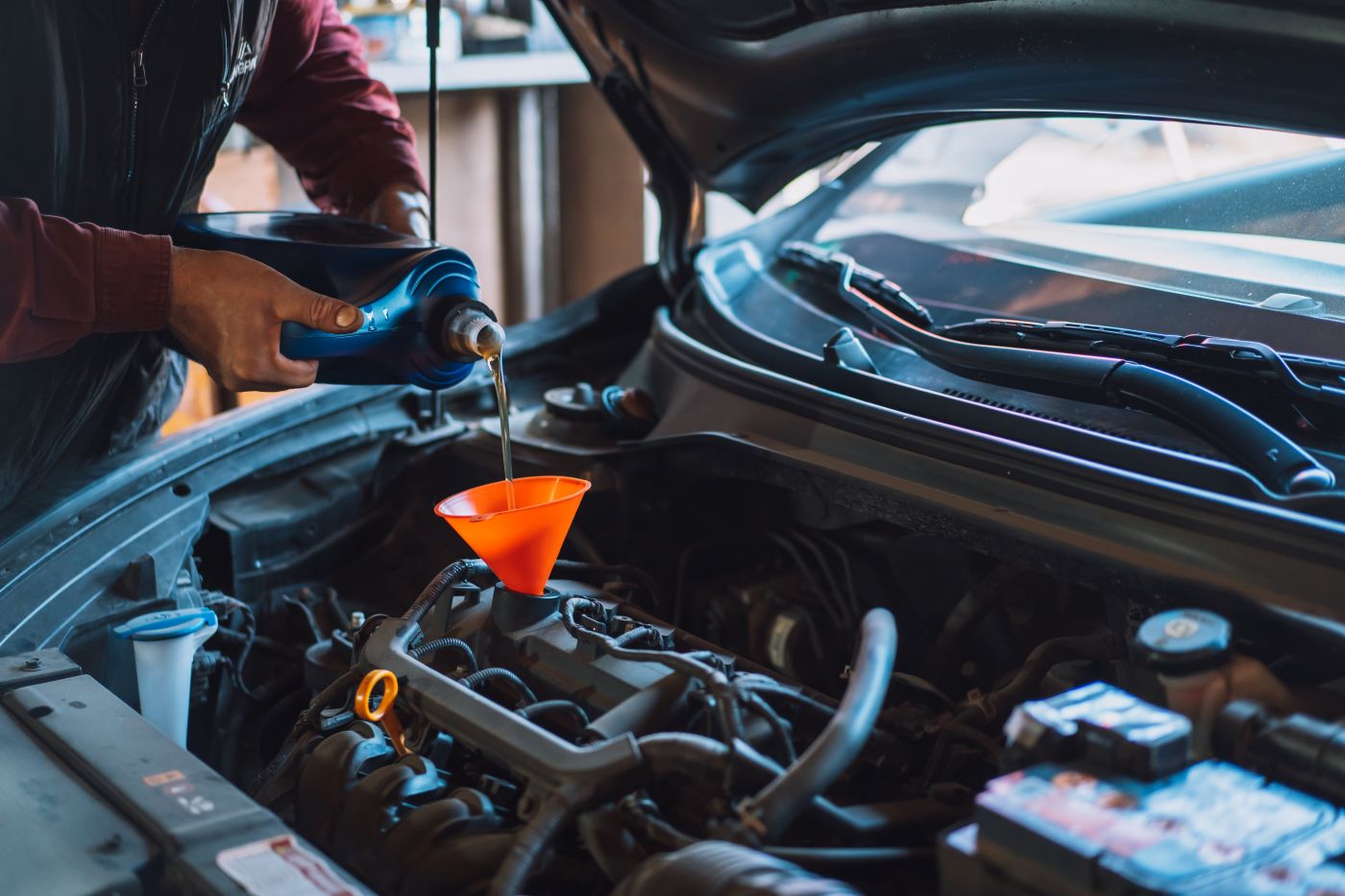
Extreme cold puts additional strain on your engine and electrical system, making winter the toughest season for vehicle reliability. Understanding how freezing temperatures change oil behavior, reduce battery power, and increase wear risk helps drivers protect their vehicles before deep cold arrives. Many Edmonton drivers rely on the technicians at Good News Auto to prepare their vehicles for harsh weather and stay ahead of winter related failures.
How Cold Temperatures Change Engine Oil Behavior
Engine oil becomes thicker as temperatures drop, which slows its ability to circulate through the engine. Thickened oil flows more slowly to critical components such as camshafts, pistons, bearings, and lifters. This delay in lubrication creates a brief period of increased friction during cold starts, leading to accelerated wear over time.
In extreme cold, the oil pump must work harder to push heavier oil through narrow passageways. This increases startup strain on the engine and can lead to higher internal resistance. Cold temperatures also affect the viscosity of multi grade oils, causing slower movement until the engine warms enough for the oil to reach its ideal flow range. These factors combined make cold starts the moment of highest wear for any vehicle during winter.
Recommended Oil Viscosity for Edmonton Winters
Choosing the correct oil viscosity is one of the most effective ways to protect your engine during Edmonton’s coldest months. Multi grade oils like 0W 20 or 5W 30 are designed to flow more easily in freezing temperatures, helping the oil reach essential engine parts faster. The first number in the rating, such as 0W or 5W, indicates the oil’s cold flow performance, while the second number reflects its viscosity at operating temperature.
Synthetic oil remains fluid at significantly lower temperatures compared to conventional oil and is recommended for severe winter conditions. It resists thickening, improves startup lubrication, and helps reduce strain on the engine and starter motor. Drivers preparing for winter can schedule a seasonal vehicle check to confirm they are using the right oil and ensure the system is ready for low temperatures.
How Extreme Cold Weakens Battery Life
Vehicle batteries lose a significant amount of strength in cold weather. Low temperatures slow the chemical reaction inside the battery that produces electrical power, reducing both voltage and cranking amps. As a result, the engine turns over more slowly, and an older or weakened battery may fail to start the vehicle altogether.
Extreme cold also increases internal resistance within the battery. This limits electrical flow to the starter and reduces the energy available for ignition. Aging batteries struggle the most, as their plates and internal components no longer hold a charge as effectively. Symptoms like dim headlights, slow engine turnover, or clicking during startup often signal that a battery is nearing failure.
Winter Battery Testing and Preventive Maintenance
Battery testing before winter helps prevent sudden failures when temperatures drop. A load test measures how well the battery can deliver power under stress, while voltage checks confirm whether it can hold a charge. Technicians also inspect cables, terminals, and connections, since corrosion increases electrical resistance and further reduces starting power.
Cold weather accelerates internal resistance as batteries age, making preventive maintenance especially important for vehicles more than three to four years old. Drivers can bring their vehicle to Good News Auto’s service team for battery diagnostics and winter preparation.
Storage, Warming Solutions, and Long Term Protection
Block heaters significantly reduce winter strain by warming the engine coolant and making it easier for oil to circulate during startup. Using a timed plug in during extremely cold nights helps the engine start smoother and reduces stress on the battery. Battery blankets offer additional insulation and help retain temperature when the vehicle is parked outdoors.
Garaging the vehicle overnight protects both oil and battery components from the harshest cold. Short trips should be avoided whenever possible in winter, as they do not allow the alternator to fully recharge the battery or the engine to warm the oil properly. Regular longer drives help maintain a healthy charge and prevent moisture buildup inside the crankcase.
Drivers who want a complete winter readiness inspection can schedule a winter appointment to prepare their vehicle for Edmonton’s extreme temperatures.