


other services


How Often Should You Flush Coolant in Alberta?
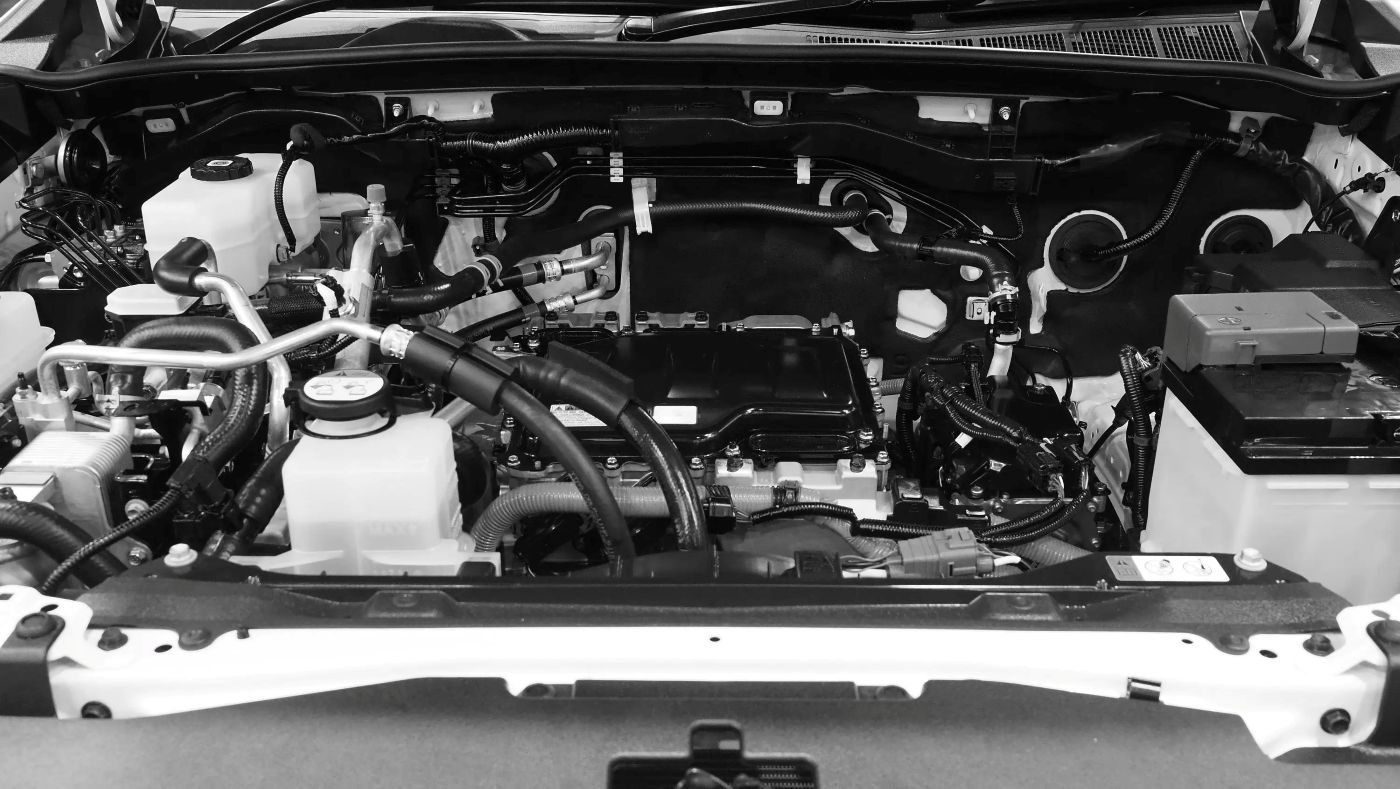
Coolant flush timing in Alberta depends on climate, driving habits, and vehicle age. Extreme winters and wide seasonal swings put additional stress on cooling systems. While manufacturer intervals provide a baseline, Alberta conditions often shorten coolant lifespan. Good News Auto Mechanic helps drivers determine whether a coolant flush is overdue, unnecessary, or urgent.
Why Alberta’s Climate Changes Coolant Lifespan
Alberta winters regularly drop well below freezing. Coolant must prevent freezing, resist corrosion, and manage high engine temperatures year round. Extreme cold increases expansion and contraction inside the cooling system. Over time, this accelerates chemical breakdown.
Rapid temperature swings between winter and summer further strain coolant additives. Once corrosion inhibitors weaken, internal engine and radiator components become more vulnerable.
Frequent short trips during cold weather also contribute. Engines that do not fully warm up allow condensation to remain in the system, which can dilute coolant effectiveness.
Manufacturer Intervals vs Real-World Driving Conditions
Most manufacturers recommend coolant flush intervals between 80,000 and 160,000 kilometers depending on coolant type and vehicle design. Those intervals assume moderate driving patterns.
Alberta drivers often deal with extended idling, towing, stop and go traffic, and severe cold starts. These factors increase thermal stress and may justify shorter service intervals.
Vehicles that regularly undergo related drivetrain maintenance, such as cooling system checks during transmission services, may benefit from coordinated inspection of coolant condition at the same time.
Manufacturer schedules serve as a starting point. Real world use determines whether the interval should be shortened.
Signs Coolant Has Degraded or Lost Protection
Coolant deterioration usually develops gradually. Warning signs include:
• Rust colored or cloudy coolant
• Engine temperature running higher than normal
• Sweet smell from the engine bay
• Visible debris inside the coolant reservoir
• Inconsistent cabin heat during winter
• Cooling fan activating more frequently
If these signs appear, coolant protection may already be reduced.
Risks of Over-Flushing vs Waiting Too Long
Flushing coolant too often does not typically damage the system, but it may add unnecessary maintenance cost. Modern long life coolant is designed to remain stable for extended intervals under normal conditions.
Waiting too long creates greater risk. Degraded coolant loses corrosion resistance and freezing protection. That can lead to:
• Radiator corrosion
• Heater core blockage
• Water pump wear
• Head gasket stress
• Engine overheating
Old coolant can damage internal components long before visible overheating occurs.
Adjusting Flush Frequency by Vehicle Age and Usage
High mileage vehicles often require closer monitoring. As cooling system components age, they become more sensitive to corrosion and debris buildup.
Drivers who tow, idle frequently in winter, or operate in heavy urban traffic may benefit from shorter intervals. Vehicles primarily used for highway driving in moderate conditions may safely follow manufacturer guidelines more closely.
If coolant has never been flushed and the vehicle exceeds the recommended interval, service should be treated as overdue rather than optional.
Good News Auto Mechanic evaluates coolant condition based on age, mileage, and Alberta driving conditions to help drivers avoid unnecessary service while preventing long term engine damage.