


other services


Diagnostic Scan vs Full Vehicle Diagnosis
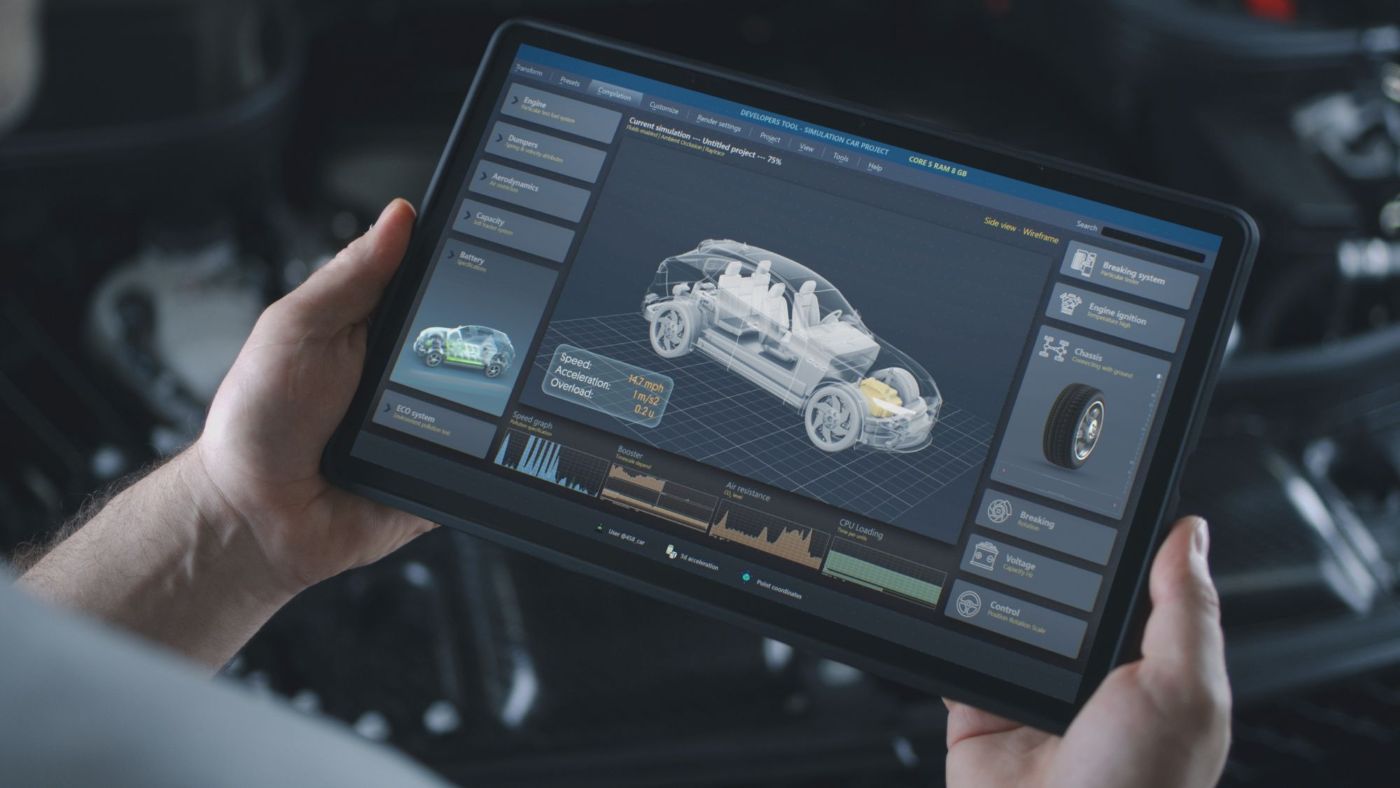
A diagnostic scan and a full vehicle diagnosis provide different levels of information when a warning light appears or a vehicle develops an operating problem. A diagnostic scan, sometimes called a code scan, retrieves information stored by the vehicle’s electronic control modules. A full diagnosis combines that information with inspection and testing to determine the actual cause. Good News Auto Mechanic uses the level of testing appropriate to the reported problem rather than treating a trouble code as a confirmed repair.
Why a Code Scan Is Not the Same as Diagnosis
A diagnostic trouble code identifies a condition detected by a vehicle control module. It may point to an affected circuit, system, sensor reading, or operating condition, but it does not automatically identify the component that failed.
For example, a code showing a lean fuel mixture could result from unmetered air, low fuel pressure, a contaminated sensor, an exhaust leak, or another condition affecting combustion. Replacing the component mentioned in the code description may leave the original problem unresolved.
Some codes can support a straightforward repair when the fault is active, the failure is visible, and testing confirms the component or circuit involved. The code still forms part of the evidence rather than replacing the confirmation process. Diagnosis determines why the code was stored. This may require reviewing live data, reproducing the symptoms, inspecting related components, and measuring electrical or mechanical operation.
What a Diagnostic Scan Can Tell You
The information available depends on the vehicle, the scan tool, the software being used, and whether the affected control module is accessible. A basic code reader may retrieve generic engine and emissions codes, while compatible professional equipment may communicate with transmission, braking, airbag, steering, body control, and other systems.
A scan can establish where testing should begin. It cannot rule out every mechanical failure, wiring problem, fluid issue, intermittent condition, or fault outside the parameters monitored by the vehicle. A scan showing no codes does not confirm that the vehicle has no problem. Some faults do not meet the conditions required to store a code, occur too briefly to be recorded, or affect components that are not electronically monitored.
Stored Trouble Codes
Depending on the manufacturer and scan tool, diagnostic trouble codes may be described as pending, current, confirmed, history, stored, or permanent. These labels indicate whether the fault is active, has occurred previously, or still requires the vehicle to complete specified monitoring before the code can be removed. A stored code does not always prove that the condition is still present. It may remain after an intermittent problem, a low-voltage event, a disconnected component, or an earlier repair.
Pending codes generally indicate that a possible fault has been detected but has not yet met the conditions required to illuminate the check engine light. Permanent emissions-related codes usually cannot be removed with a scan tool. They remain until the vehicle completes the required monitor and confirms that the fault is no longer present.
Some codes include freeze-frame data showing conditions recorded when the fault occurred, such as engine speed, coolant temperature, vehicle speed, and engine load. The availability and amount of freeze-frame information depend on the vehicle and the module that stored the code. Clearing codes may erase stored information and reset emissions readiness monitors without correcting the fault. When a code appears after a repair, its status and operating conditions must be reviewed to determine whether the fault has returned or whether old diagnostic information remains.
Warning Light Clues
A diagnostic scan can retrieve information associated with electronically monitored warning systems. This can help identify which system detected a problem and whether several dashboard warnings may share the same cause. The warning light alone does not establish the required repair. A check engine light, anti-lock brake warning, airbag warning, or stability control light can each result from several electrical, mechanical, or communication faults.
Some problems can trigger several warnings at once. A wheel-speed signal fault may affect the anti-lock braking, traction control, and stability control systems because each relies on the same wheel-speed information. A warning should not be scanned before addressing an immediate safety risk. Low oil pressure, overheating, reduced braking ability, severe steering changes, or another critical condition may require the vehicle to be stopped and transported rather than driven for code retrieval.
System-Level Starting Points
Scan information may narrow a problem to a system, circuit, cylinder, sensor range, or communication network. Live data can also reveal readings that fall outside the manufacturer’s expected range or conflict with related information.
A basic scan may be sufficient when the purpose is to retrieve an available code, identify which accessible system triggered a warning, or check whether a previously repaired fault has returned. A scanner that cannot access the relevant module may report no codes even when manufacturer-specific or non-powertrain codes are stored.
Further testing is needed when the cause remains uncertain, the code has several possible causes, or the symptoms affect safe or reliable vehicle operation.
What a Full Vehicle Diagnosis Checks
A full vehicle diagnosis is a focused investigation of the reported problem. It does not mean that every component in the vehicle is inspected. The initial diagnostic authorization normally applies to a specific warning, symptom, or system.
The process may begin with a diagnostic scan, but it can also include visual inspection, vehicle-specific service information, measurements, component testing, and verification under the conditions where the problem occurs.
Not every fault can be confirmed during the initial testing period. If the condition cannot be reproduced or the available evidence remains inconclusive, the result may identify what has been ruled out, what should be monitored, and which additional test is required.
Symptoms and Driving Conditions
Diagnosis considers what the vehicle is doing, when the problem occurs, and which conditions make it appear. Useful details include whether the engine is hot or cold, the vehicle is accelerating or idling, the road is rough, or the symptom appears only after extended driving.
Intermittent problems may not occur while the vehicle is at the shop. Stored data, monitoring equipment, temperature-specific testing, or a later return visit may be required when the fault cannot be reproduced.
Recent events can also change the diagnostic direction. Repairs, battery replacement, collision damage, fluid loss, aftermarket equipment, or moisture exposure may be connected to the reported symptom.
A road test is only appropriate when the vehicle can be operated safely. Problems involving reduced braking, severe steering changes, overheating, low oil pressure, or loss of vehicle control may need to be investigated without driving the vehicle.
Electrical and Mechanical Testing
Electrical testing determines whether a component has the correct power supply, ground, signal, resistance, or communication with other modules. The technician selects the testing equipment according to the affected system, available fault information, and manufacturer procedure.
Measurements must be compared with vehicle-specific wiring diagrams, specifications, operating conditions, and test procedures. A voltage or resistance value has limited diagnostic value without knowing what the manufacturer considers normal for that circuit.
Mechanical testing checks conditions that a vehicle computer may detect only indirectly. Compression loss, low fuel pressure, vacuum leaks, restricted exhaust flow, worn components, and internal transmission faults can produce trouble codes without being directly identified by the code description.
The failure should be confirmed before replacement when the component and fault can be tested directly. Complete confirmation may require additional access, disassembly, extended monitoring, or recurrence of an intermittent condition.
Related Parts and System Failures
Vehicle systems share electrical supplies, communication networks, sensor information, and mechanical inputs. A fault in one area can therefore create codes or symptoms in another.
Low system voltage can produce communication faults across several modules. A vacuum leak can affect fuel trim and oxygen sensor readings. A damaged wheel bearing can disrupt the signal from a nearby wheel-speed sensor.
Multiple codes should be evaluated as a group before separate repairs are recommended. Several warnings may result from one shared power supply, ground, communication fault, air leak, pressure problem, or mechanical failure.
Diagnostic Scan vs Full Diagnosis
Purpose: A diagnostic scan retrieves stored electronic information. A full diagnosis investigates the reported problem to determine why that information or symptom is present.
Scope: A scan is limited to the modules, data, and functions supported by the vehicle and scan equipment. Diagnosis may also include visual inspection, service information, circuit measurements, pressure testing, mechanical testing, and symptom reproduction.
Appropriate use: A scan may be enough when the driver needs code information or confirmation that an accessible system has stored a fault. Full diagnosis is needed when the code has several possible causes, the vehicle has operating symptoms, several systems are affected, or a previous repair did not correct the problem.
Result: A scan provides a starting point. Diagnosis may produce a confirmed cause and repair recommendation, or it may document completed tests, ruled-out possibilities, and the next testing step required.
Diagnostic cost: A scan and diagnostic labour are not always the same service. Diagnostic charges account for the technician’s time, equipment, service information, and testing. When the cause cannot be confirmed within the initially authorized scope, further diagnostic time may require separate approval.
How Code-Only Repairs Can Lead to the Wrong Fix
Code descriptions often name the component reporting an abnormal condition rather than the component causing it. A sensor may be functioning correctly while reporting a problem created by air, fuel, pressure, temperature, wiring, or mechanical operation elsewhere in the system.
Circuit codes require the same caution. A code associated with a sensor may result from an open wire, short circuit, damaged connector, poor ground, incorrect power supply, or control module problem.
Replacing every component named by several codes can create unnecessary costs when one shared failure is responsible. Code-based repairs are most reliable when the code is supported by direct testing, a visible failure, applicable manufacturer procedures, and evidence that separates the suspected component from other possible causes.
After repair, the original symptom should be checked under the conditions that previously caused it. Applicable codes and data can be cleared, but the repair is not verified until the system operates correctly and the fault does not return during an appropriate test or monitoring period.
Honest Vehicle Diagnostics From Good News Auto Mechanic
A diagnostic fee covers the investigation of a reported problem, not only the act of connecting a scanner. The authorized work may include reviewing the driver’s concern, retrieving available codes and data, inspecting the affected system, consulting vehicle-specific service information, and performing the tests needed to narrow down the cause.
Good News Auto Mechanic explains when the available information supports a repair and when additional testing is required. If an intermittent problem cannot be reproduced, the diagnostic result may include the tests completed, the conditions checked, the possibilities ruled out, and the next recommended step rather than an unsupported part replacement.
Diagnostic time varies according to the fault. An active and accessible failure may be confirmed during the initial inspection, while a temperature-dependent electrical problem or intermittent communication fault may require extended monitoring or another appointment.
The final findings identify the evidence collected, the conclusion that evidence supports, and any remaining uncertainty. Good News Auto Mechanic uses this process to distinguish useful scan information from the testing required to make a supported repair decision.