


other services


Maintenance vs. Repair: Where Drivers Get It Wrong
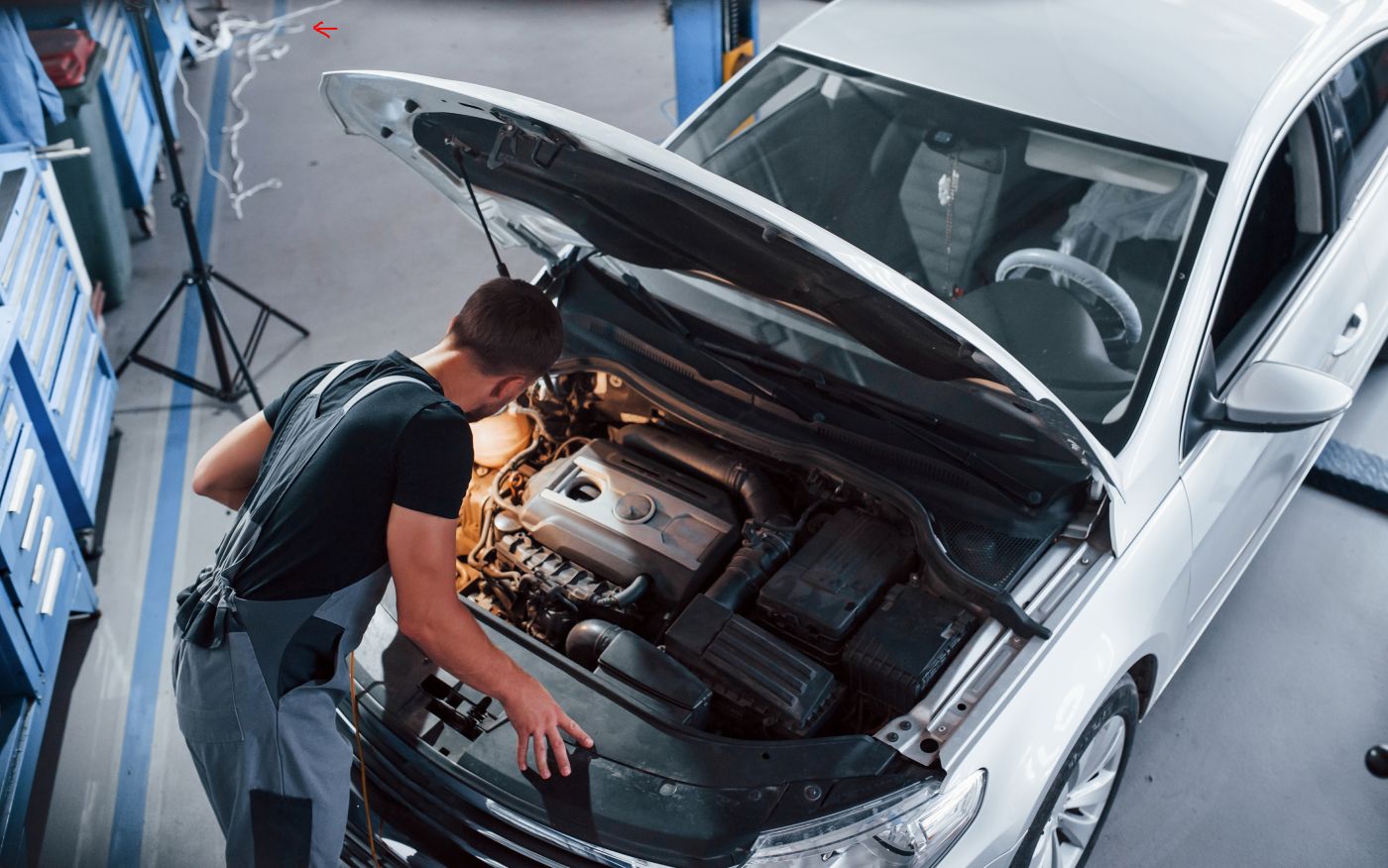
Maintenance vs. repair is often misunderstood, which leads many drivers to delay service until something fails. Maintenance is planned and preventive, while repair is reactive and typically more expensive because damage has already occurred. Good News Auto helps drivers understand how early service decisions directly affect long-term vehicle costs and reliability.
Why Drivers Confuse Maintenance With Repairs
Drivers often group maintenance and repairs together because both involve servicing the vehicle, but the timing and purpose are different. Maintenance is done before failure, while repairs happen after a component no longer functions properly.
Confusion also comes from the lack of immediate consequences. Many maintenance-related issues develop gradually without triggering warning lights or noticeable symptoms, which makes it seem like service is unnecessary.
Another factor is cost perception. Maintenance is seen as an avoidable expense, while repairs feel unavoidable. This framing causes drivers to delay maintenance even when it is the lower-cost decision over time.
Maintenance can also involve replacing worn components before they fail, which can resemble repair from the driver’s perspective. The difference is that maintenance replaces parts within expected wear limits, while repair occurs after failure or loss of function.
Service recommendations can further blur this distinction when maintenance tasks are bundled or not clearly explained, making it harder for drivers to separate preventive work from corrective repairs.
What Maintenance Is Meant to Prevent
Maintenance is intended to control wear, maintain proper operating conditions, and prevent early component failure. It addresses predictable degradation that occurs through normal use.
This includes managing lubrication, heat, friction, and contamination across key systems such as engine lubrication, cooling systems, braking systems, and transmission operation. When these factors are controlled, components operate within expected limits and last longer.
Maintenance helps avoid breakdowns, preserves fuel efficiency, maintains safety performance, and reduces the risk of secondary damage caused by failing components.
Maintenance does not eliminate all failures. It reduces preventable, wear-related failures, while defects, external damage, or unpredictable part failures may still occur outside maintenance control.
How Deferred Maintenance Turns Into Repairs
Deferred maintenance changes the condition of the vehicle from controlled wear to accelerated degradation. Once components begin operating outside their intended tolerances, the risk of failure increases and repair becomes more likely.
This transition occurs when performance drops below acceptable limits or when physical damage begins to develop within a system.
Degradation increases when operating conditions exceed design limits such as temperature, friction, or contamination levels. At that point, the system is no longer being maintained, it is deteriorating.
Wear Acceleration
When maintenance is skipped, parts experience higher friction, heat, or contamination than they were designed to handle. This causes faster wear and reduces the time before failure.
Critical fluids such as engine oil, coolant, transmission fluid, and brake fluid play a primary role in preventing this. When these fluids degrade or are not maintained, they lose their ability to protect internal components.
This leads to increased metal contact, heat buildup, and reduced performance, which eventually results in mechanical damage that requires repair. The timeline for failure varies depending on driving conditions, load, and severity of neglect, but once protection breaks down, wear increases rapidly rather than gradually.
Component Cascade Failures
Some systems depend on multiple components working together. When one part fails due to lack of maintenance, it can place additional stress on connected parts.
For example, overheating caused by poor cooling system performance can lead to head gasket failure, which can then result in internal engine damage if the vehicle continues operating.
A single neglected issue can therefore expand into a larger failure. What could have been addressed as a controlled maintenance task becomes a multi-component repair, increasing both cost and downtime.
Early indicators such as minor leaks, changes in noise, or temperature fluctuations can signal the start of a failure chain before major damage occurs.
Common Driver Assumptions That Increase Costs
Certain assumptions lead directly to higher long-term costs because they delay action until damage is already present.
- Treating maintenance as optional because the vehicle still operates normally
- Waiting for symptoms before addressing wear or degradation
- Assuming past reliability means future reliability without continued service
- Believing short-term savings from skipping maintenance outweigh long-term repair costs
- Expecting warning lights to appear before any meaningful damage occurs
These assumptions rely on visible failure as a signal, but most mechanical wear does not trigger dashboard alerts and often requires inspection or maintenance tracking to identify early.
The most financially damaging assumptions are those related to core systems such as lubrication, cooling, and braking. Less critical issues may allow some delay, but core system neglect increases the likelihood of expensive failure.
Waiting for symptoms may be acceptable for non-critical or cosmetic issues, but it is not a cost-effective strategy for systems that affect engine operation, safety, or drivability.
Reframing Vehicle Care as Cost Control
Maintenance is more accurately viewed as a form of cost control rather than an optional service. It manages predictable risks and prevents the higher costs associated with failure.
The decision is not between spending and saving, but between controlled costs and uncontrolled expenses. Maintenance spreads smaller costs over time, while repairs concentrate larger costs after failure.
For example, scheduled fluid service represents a controlled cost, while engine or transmission repair caused by fluid degradation represents an uncontrolled expense with significantly higher impact.
In practice, this means tracking service history, addressing minor issues early, and using maintenance as a way to manage long-term ownership costs rather than reacting to failures.
There are exceptions. In aging vehicles with lower overall value, repair decisions may depend on whether the cost of maintenance or repair aligns with the remaining value of the vehicle.
Good News Auto’s standard maintenance services support this approach by identifying wear early, maintaining proper system operation, and helping drivers avoid the conditions that lead to unexpected repairs.