


other services


No Heat or Defrost? What Edmonton Drivers Should Check First
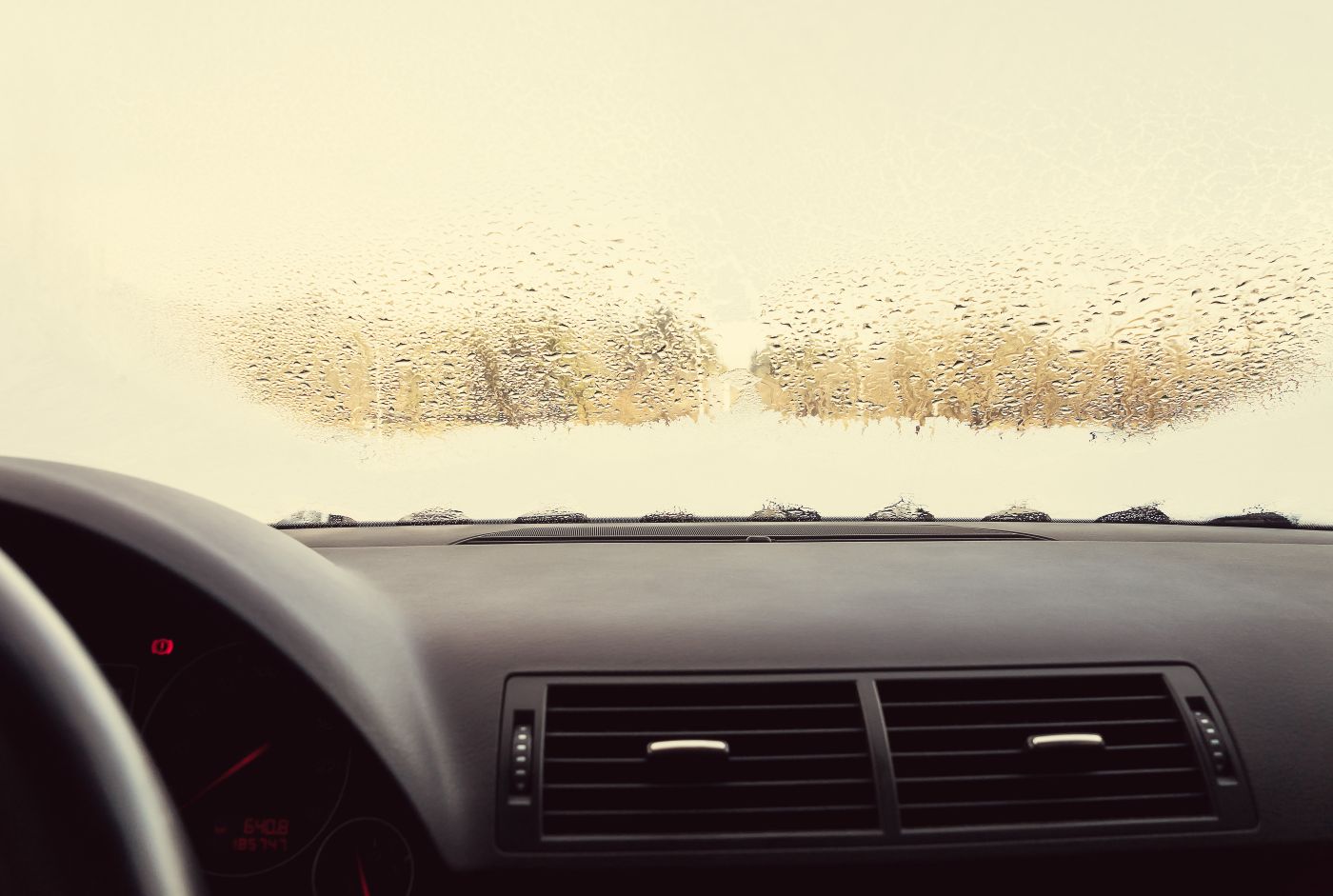
No heat or defrost in a vehicle can mean several different things, from cold air coming through otherwise normal vents to a complete loss of airflow. Defrost problems can also come from either insufficient airflow reaching the windshield or air that never becomes warm enough to clear it effectively. The most useful first step is identifying exactly what the system is doing and checking whether engine temperature, coolant loss, or poor windshield visibility are part of the problem. Good News Auto diagnoses vehicle heating and defrost problems in Edmonton when basic checks do not identify the cause.
Start With the Exact Heating or Defrost Symptom
Heating problems are easier to narrow down when the symptom is described precisely. Air that moves normally but stays cold points in a different direction from vents that produce little or no airflow.
Air Blows but Never Gets Warm
If the vents produce normal airflow but the air stays cold after the engine has warmed up, the blower system is moving air but the heating process is not working as expected. Possible causes include an engine that is not reaching normal operating temperature, inadequate coolant flow through the heater core, or a climate-control component that is not directing air through the heated portion of the system.
Check whether the engine temperature appears normal before assuming the heater itself has failed. A temperature gauge that remains unusually low after normal driving provides a different diagnostic clue than cold cabin air with normal engine temperature.
Little or No Air Comes From the Vents
Little or no airflow is primarily an airflow problem, not proof that the vehicle cannot produce heat. If changing the fan speed produces little response, the blower motor, its electrical controls, or an airflow restriction may need attention.
If the fan can be heard running but very little air reaches the cabin, restricted airflow or an air-distribution problem becomes more relevant. Noting whether any fan speeds or vent positions still work can help narrow the diagnosis.
Heat Works Intermittently
Heat that comes and goes suggests that the system can produce heat under some conditions but is not delivering it consistently. The pattern matters, particularly whether the temperature changes while accelerating, turning, idling, or changing climate-control settings.
Heat that becomes warmer while driving but turns cool at idle can sometimes point toward low coolant, trapped air, restricted heater-core flow, or another circulation problem. Because that symptom is not specific to one failure, it should be treated as a diagnostic clue rather than proof of a particular component problem.
Windshield Will Not Clear Properly
Defrost problems should be separated into two questions: whether enough air reaches the windshield and whether that air becomes warm enough to clear it effectively in cold conditions. Strong airflow that stays cold points toward a heating problem, while little airflow reaching the glass points more toward the air-distribution side of the climate-control system.
If frost or condensation repeatedly blocks the driver's view faster than the system can clear it, the issue affects visibility rather than comfort alone. That distinction matters because a visibility problem changes whether continued driving is appropriate.
What You Can Check Before Assuming the Heater Has Failed
Basic checks can help identify whether the problem involves engine temperature, coolant, airflow, or climate-control settings. They are useful for describing the symptom more accurately, but they do not confirm which component has failed.
Engine Temperature and Warning Lights
Watch the temperature gauge or temperature warning indicator as the engine warms up. If the engine stays unusually cool during normal driving, it may not be producing enough heat for normal cabin heating. If the temperature rises above its normal range or an overheating warning appears, the priority is the cooling-system problem rather than the cabin heater.
An overheating vehicle should not be kept running simply to test whether the heater begins working. Continued operation while the engine is overheating can cause engine damage.
Coolant Level and Signs of Coolant Loss
Low coolant can reduce or interrupt the flow of hot coolant through the heater core, resulting in weak or inconsistent cabin heat. It can also indicate a cooling-system leak or another problem that may eventually affect engine temperature.
A visual check of the coolant reservoir may help show whether the level appears low when the vehicle is safe to inspect. Follow the manufacturer's procedure for the specific vehicle, and do not remove a pressurized coolant cap while the engine is hot. If the coolant level repeatedly drops, coolant is visible underneath the vehicle, or topping it up becomes necessary more than once, the reason for the loss should be diagnosed.
Vent Settings, Fan Speeds, and Airflow
Confirm that the temperature control is set to heat, the desired vent mode is selected, and the blower responds when different fan speeds are chosen. Switch between dash, floor, and defrost settings and note whether airflow moves to the selected outlets.
These checks help distinguish a lack of heat from a lack of airflow. If the blower does not respond correctly or the system does not direct air where selected, professional heating and climate-control diagnosis is more appropriate than continuing to adjust the controls.
What Different Symptoms Can Point To
Several faults can produce a complaint of no heat, so the symptom should be considered alongside engine temperature, coolant condition, and airflow. The combination of symptoms is usually more useful than any single observation on its own.
Strong airflow with cold cabin air and an engine that warms unusually slowly can point toward a thermostat or engine-temperature problem. In this situation, the engine itself may not be reaching its normal operating temperature.
If engine temperature appears normal but cabin heat remains weak or inconsistent, the issue may involve the heater core or coolant circulation. Heat is being produced by the engine, but it may not be reaching the cabin consistently.
Little or no airflow at multiple fan settings points more toward a blower motor, electrical, or airflow problem. The key distinction is that air movement is the problem rather than heat production.
If airflow is present but the temperature does not respond correctly to the controls, a blend door, actuator, or another climate-control component may be involved. The system may not be routing or controlling heated air correctly.
Heat that improves while driving but cools at idle can be a clue that coolant level or circulation is affecting heater performance. Because several faults can create this pattern, it should not be treated as proof of one specific component failure.
If the defrost system does not clear the windshield properly, the problem may involve insufficient heat, inadequate airflow to the windshield, or climate-control operation. Identifying whether air reaches the glass and whether that air becomes warm helps separate those possibilities.
These symptom patterns help narrow the areas that need testing, but they do not confirm which part has failed. Different faults can create similar heating or airflow behaviour, especially when coolant condition and climate-control operation overlap.
Thermostat or Engine Temperature Problems
The thermostat helps regulate coolant flow as the engine warms and operates. If a thermostat becomes stuck open, coolant may circulate through the radiator sooner than intended, causing the engine to warm more slowly and cabin heat to remain weak, particularly in cold weather.
An engine that consistently runs cooler than expected therefore points toward a different problem than a vehicle with normal engine temperature and cold cabin air. Comparing engine temperature behaviour with the heating symptom helps narrow the next diagnostic step.
Heater Core or Coolant Circulation Problems
The heater core transfers heat from engine coolant to the air entering the cabin. Cabin heat can become weak or inconsistent when insufficient hot coolant passes through it, even when the blower produces normal airflow.
Low coolant, trapped air, restricted heater-core flow, or another circulation fault can create similar symptoms, so a lack of heat does not identify the heater core as the failed component by itself. If the symptoms also involve coolant loss or abnormal engine temperature, the cooling system needs to be considered as part of the diagnosis.
Blower Motor and Airflow Problems
The blower motor moves air through the climate-control system and into the cabin. If little or no air comes from the vents, diagnosis should focus on whether the blower operates correctly and whether airflow is being restricted or redirected.
A blower that works only at certain speeds, does not run at all, or can be heard running without producing normal vent airflow provides useful information for separating an electrical or airflow problem from a heating problem. That distinction prevents heat-producing components from being blamed when the real issue is that air is not moving through the cabin properly.
Blend Door or Climate-Control Problems
Depending on the vehicle's HVAC design, doors and actuators inside the climate-control system may control airflow direction, temperature mixing, or both. A fault in this system can leave the vents blowing at the wrong temperature or send air to the wrong outlet even when heat is available.
Temperature that does not respond to control adjustments, noticeably different temperatures from separate vents, or air that consistently comes from the wrong outlet can indicate that the climate-control system is not responding as requested. The exact components and control strategy vary by vehicle, so testing is required before identifying the failed part.
When No Heat Becomes More Than a Comfort Problem
Lack of cabin heat becomes more significant when it affects windshield visibility or appears alongside signs of a cooling-system problem. Those symptoms change whether continued driving is reasonable.
Poor Defrosting and Reduced Winter Visibility
A vehicle should provide enough windshield visibility for the driver to see the road and surrounding traffic clearly. Clearing frost before departure is not sufficient if the inside of the windshield fogs or the glass ices over again while driving.
If the defrost system cannot keep the windshield clear enough for safe forward visibility, the vehicle should not continue to be driven in those conditions. Persistent loss of visibility changes the problem from a comfort issue to an immediate driving-safety concern.
No Heat Combined With Engine Overheating
No cabin heat combined with rising engine temperature can indicate a cooling-system problem rather than an isolated heater fault. Low coolant or inadequate coolant circulation can affect both heater performance and the engine's ability to control its temperature.
If the temperature gauge moves into the hot range or an overheating warning appears, stop driving as soon as it is safe and shut the engine off. Steam or visible vapour from the engine area can also be a warning sign when it appears alongside overheating or coolant-loss symptoms.
Coolant Smells, Leaks, or Rapid Coolant Loss
A noticeable coolant-like smell can be a clue that coolant is leaking, but smell alone does not confirm the source or severity of the problem. It becomes more significant when combined with visible leakage, a falling coolant level, or other cooling-system symptoms.
Repeatedly adding coolant does not identify or correct the source of the loss. If coolant is disappearing quickly or a substantial leak is visible, the vehicle should be diagnosed before normal driving continues.
Can You Keep Driving With No Heat or Defrost?
Loss of cabin heat is different from losing the ability to keep the windshield clear. If engine temperature remains normal, coolant level is stable, there are no warning lights or visible leaks, and the windshield can remain clear, an isolated cabin-heating problem does not necessarily indicate an immediate engine risk.
Do not continue driving when the windshield cannot be kept clear, the engine begins overheating, coolant is being lost rapidly, or a cooling-system warning appears. Those conditions create either a visibility problem or a risk of mechanical damage and should be addressed before routine driving resumes.
Diagnosing Heating and Defrost Problems at Good News Auto in Edmonton
Heating and defrost diagnosis should establish whether the problem is related to engine temperature, coolant circulation, airflow, or climate-control operation before parts are replaced. Good News Auto can diagnose heating and defrost concerns in Edmonton when basic checks do not identify the cause.
Before booking service, note whether the problem changes as the engine warms up, while driving versus idling, at different fan speeds, or when switching between regular vents and defrost. Coolant loss, warning lights, unusual smells, and abnormal engine-temperature readings are also useful diagnostic details.
Professional diagnosis becomes more appropriate when the symptoms persist after the basic checks above, heat remains inconsistent without an obvious control-setting issue, coolant continues to drop, or the defrost system cannot reliably clear the windshield. In those situations, contact Good News Auto to have the heating or cooling-related cause identified before further troubleshooting.