


other services


Battery Drain Overnight? Why This Happens in Cold Climates
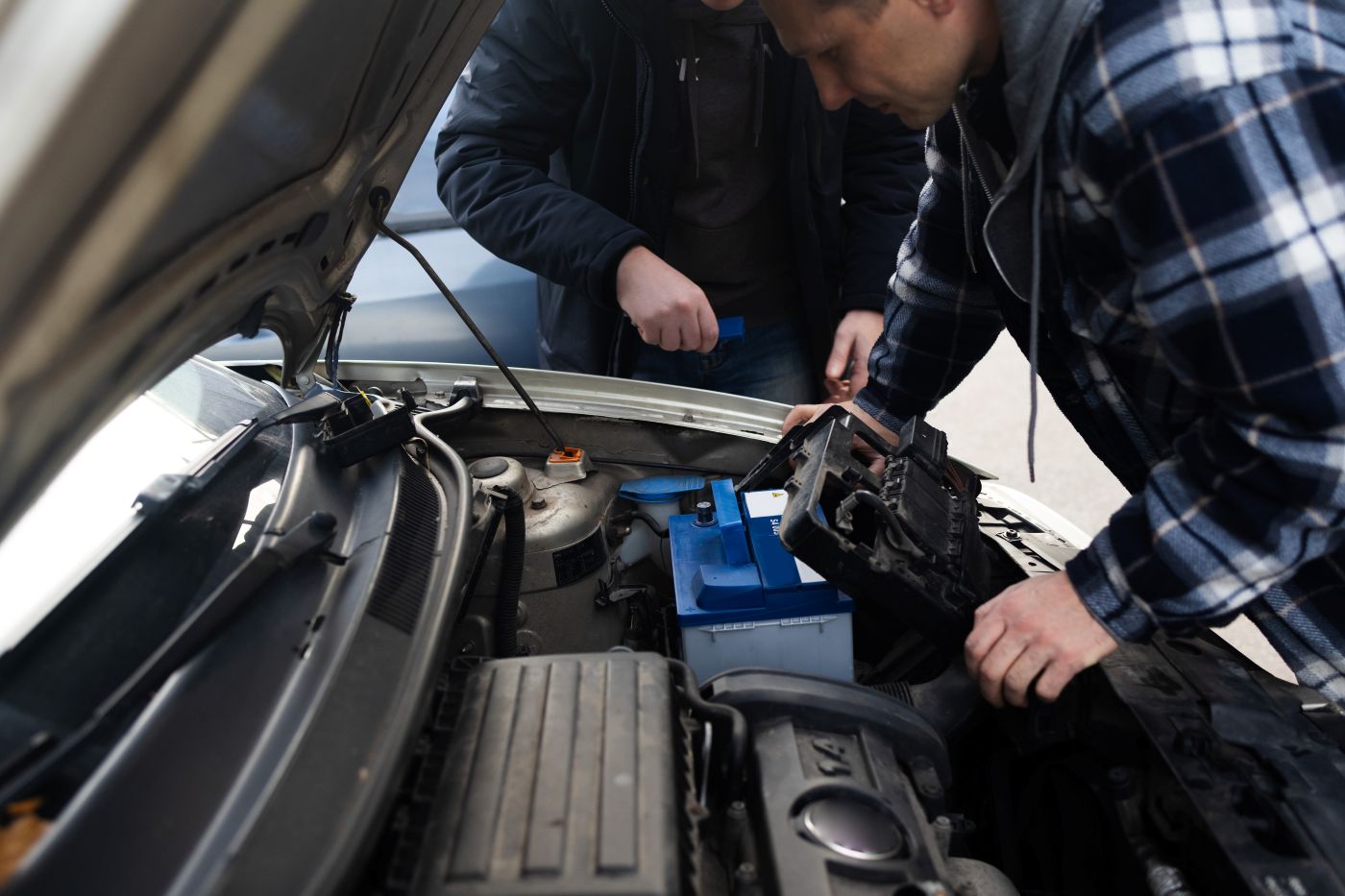
Waking up to a dead battery after a cold night is a common issue for drivers in winter climates. Low temperatures reduce battery capacity while increasing electrical demand, creating conditions where even minor issues can lead to overnight drain. For vehicles operating through Edmonton winters, Good News Auto frequently diagnoses battery drain problems caused by a combination of cold weather stress and underlying electrical faults that compound over time.
How Cold Temperatures Affect Battery Capacity
Automotive batteries rely on chemical reactions to produce power, and cold temperatures slow these reactions significantly. This reduces available capacity and cranking power, while engines simultaneously require more energy to start due to thicker oil and increased internal resistance. In freezing conditions, a fully charged battery can lose a substantial portion of its effective capacity, even when it is still considered functional, which explains why batteries that perform adequately in warmer weather often struggle during cold snaps, especially when age or wear has already reduced efficiency.
Normal Versus Abnormal Overnight Battery Drain
Some loss of charge overnight is expected in cold weather due to reduced chemical activity inside the battery. A healthy battery should still retain enough reserve power to start the vehicle after sitting overnight, even in low temperatures, whereas repeated no-start situations after short periods of parking indicate drain that goes beyond normal winter behavior and points to an underlying issue.
Increased Electrical Demand During Winter
Winter driving places higher electrical demand on vehicles through increased use of heated seats, defrosters, blower motors, headlights, and onboard electronics. This additional load strains both the battery and charging system, particularly during short trips where the alternator has limited time to restore lost charge, and when electrical demand consistently exceeds charging recovery, the battery can be left with insufficient reserve capacity for the next cold start.
Short Drive Cycles and Incomplete Recharging
Short trips are one of the most common contributors to overnight battery drain in winter because each cold start requires a large surge of power while brief drives often do not allow the alternator enough time to fully recharge the battery. Repeated short trips compound this problem over time, gradually reducing available reserve capacity and creating symptoms that can resemble parasitic draw even when no electrical fault is present.
Parasitic Draw and Overnight Battery Drain
Parasitic draw occurs when electrical components continue consuming power after the vehicle is shut off, and while a small amount of draw is normal, excessive parasitic load can discharge a battery overnight, especially in cold weather where overall capacity is already reduced. Accurately identifying parasitic draw often requires testing performed by an experienced auto repair team in Edmonton rather than replacing parts based on symptoms alone, since the source of the drain is not always obvious.
Battery Age and Cold Weather Lifespan Limits
Battery age plays a critical role in winter performance because internal resistance increases over time while reserve capacity declines. In cold climates, many batteries begin to lose reliability after three to five years, even if they appear functional during warmer months, and cold temperatures expose this degradation quickly, often resulting in sudden failures that seem to occur without warning.
Weak Alternators and Charging System Limitations
A weak alternator may fail to fully recharge the battery during normal driving, an issue that becomes more pronounced in winter when electrical demand increases and trips are shorter. Even a relatively new battery can become depleted if charging output is insufficient, and repeated undercharging accelerates battery wear while significantly increasing the likelihood of overnight drain.
Control Modules That Fail to Sleep
Modern vehicles rely on multiple electronic control modules that continue communicating briefly after shutdown, and while these systems are designed to enter sleep mode automatically, faults or software issues can prevent this from happening. When a module remains active, it can draw power continuously and discharge the battery overnight, a problem that often goes unnoticed without proper electrical testing.
Risks of Repeated Jump Starting in Cold Weather
Repeated jump starting places significant stress on the battery and charging system because cold weather boosts require higher current flow. This can damage internal battery components and shorten lifespan, and while boosting may restore temporary operation, it often masks deeper issues such as parasitic draw or charging failure, increasing the risk of complete battery failure later on.
Basic Voltage and Testing Benchmarks
Battery testing provides important insight into overnight drain issues by measuring resting voltage, charging output, and performance under load. Cold weather testing is especially important because voltage readings under load can differ significantly from warm conditions, and testing under real operating conditions improves diagnostic accuracy and prevents misdiagnosis.
Prioritizing Diagnosis to Prevent Repeat Failures
Effective diagnosis follows a logical order that starts with battery condition and age, then moves to charging system output, and finally evaluates parasitic draw and accessory load if earlier components test within range. This structured approach prevents unnecessary replacements and reduces the likelihood of repeated winter breakdowns caused by unresolved electrical issues.
Book a Battery and Electrical System Inspection
If your vehicle experiences overnight battery drain during cold weather, addressing the issue early helps prevent repeated no-start situations and further component damage. To schedule battery testing or electrical diagnostics, use the vehicle service appointment booking page and have the issue inspected before winter conditions worsen.