


other services


Why Your Brake Pedal Feels Soft (And What to Do About It)
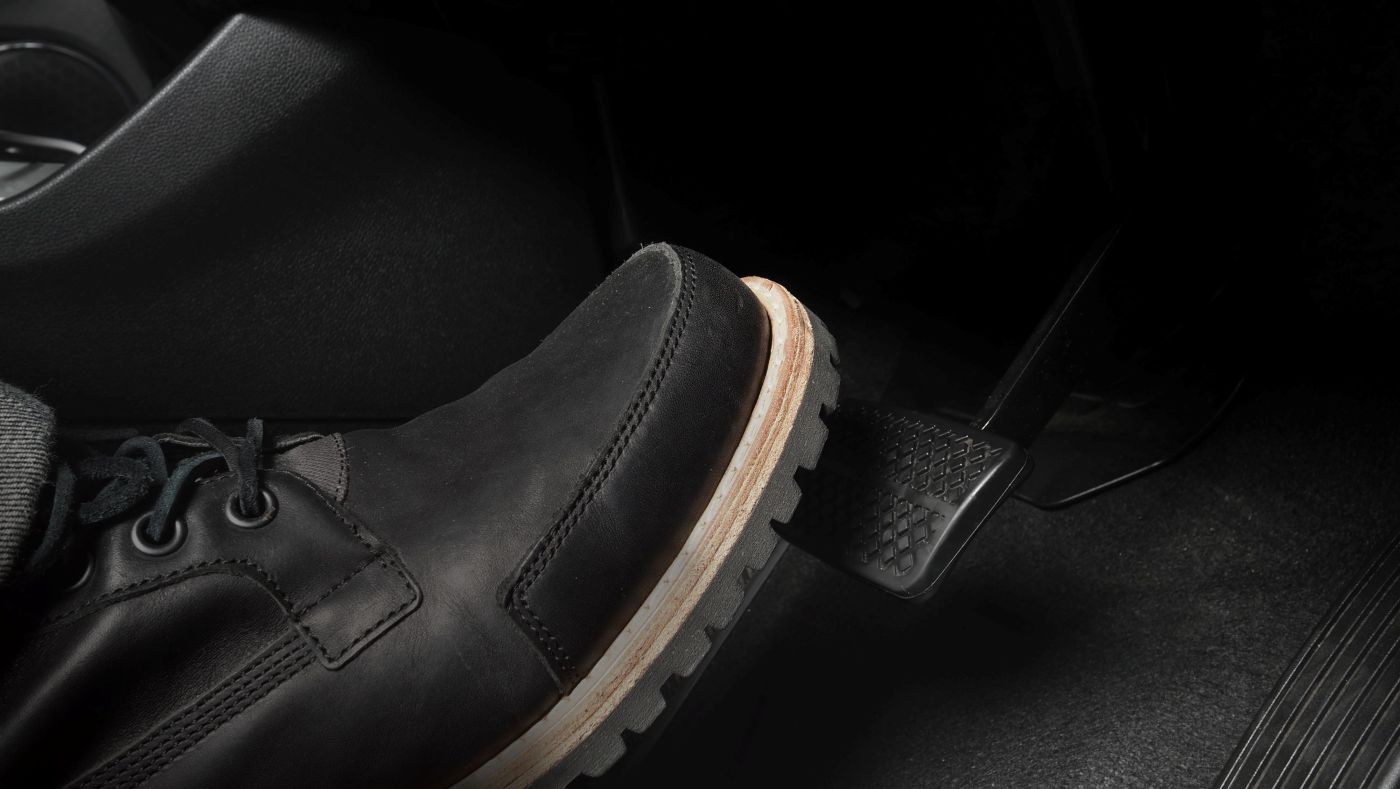
A soft brake pedal is more than an inconvenience. If your foot sinks further than normal or the car takes longer to slow down, it indicates a loss of hydraulic pressure that directly affects vehicle safety. Reduced stopping ability is one of the most serious driving hazards and should be addressed immediately. Good News Auto Mechanic works with Edmonton drivers to identify braking symptoms early and ensure correct repairs before more serious issues develop.
What a Soft Brake Pedal Feels Like
A soft or spongy pedal may feel like there is resistance missing or that you need to press harder before the brakes begin to respond. The pedal may travel closer to the floor than usual. In some cases, it feels delayed, forcing you to anticipate stops earlier than normal. A dashboard brake warning light, unusual fluid puddling under the vehicle, or a sudden loss of pedal resistance may indicate more urgent failure risk.
Common Causes of a Soft Brake Pedal
Several mechanical issues can lead to reduced braking firmness. Some are gradual while others indicate rapid system failure.
Air trapped in brake lines and worn brake pads are common contributors. Low or contaminated brake fluid may also cause excessive pedal travel. Fluid leaks around brake hoses, calipers, or the master cylinder can lead to further system loss. If the master cylinder itself becomes weak, it may fail to hold pressure during braking. Gradual pedal softening often points to component wear or minor air intrusion, while sudden change can indicate hydraulic failure or significant fluid loss.
When to Stop Driving
If the pedal sinks fully to the floor or the vehicle struggles to slow down, stop driving immediately. Continuing to operate the vehicle in this condition can result in complete brake failure. Pull over in a safe location and arrange for professional inspection. A sudden change in pedal strength often requires immediate attention, while a gradual reduction signals that servicing is needed soon. Any appearance of a brake warning light should be considered a priority for inspection.
What to Do Right Away
Check the brake fluid level using your vehicle manual as a reference. If the fluid is below recommended range, there may be a leak or contamination. Do not attempt to bleed lines or top up fluid without proper equipment. Have the braking system inspected to locate the underlying problem before driving further.
Access to brake maintenance resources can help identify recommended service intervals and outline how repairs are typically handled by technicians. Routine brake inspections are commonly recommended every six months or based on driving conditions, especially for higher mileage vehicles or those used regularly in heavy traffic.
How a Diagnostic Inspection Works
A professional technician checks fluid levels, brake pad wear, pressure values, and all line connections for leaks. They may perform pressure testing or remove air from the system using specialized tools. If parts are worn or failing, replacements are recommended to restore reliability. For drivers wanting better insight before scheduling an appointment, refer to trusted auto repair service to understand available support and diagnostic options.
Why Brake Service Should Not Be Delayed
Soft brakes indicate compromised system performance. Because braking is essential for driving safety, delaying service may lead to additional component wear and higher repair cost. Prompt repair helps avoid rotor damage, prevents further hydraulic strain, and restores normal pedal pressure. Edmonton’s winter temperatures can introduce moisture into brake fluid over time, which may reduce effectiveness during cold-weather braking. Booking a brake inspection early helps maintain safe stopping distance, especially when driving conditions worsen.
Ready to Get Your Brakes Checked?
If your brake pedal feels soft or braking performance has changed, schedule a full inspection with an Edmonton brake service professional to ensure safe and reliable operation.