


other services


Tire Tread Depth: How to Check and When to Replace
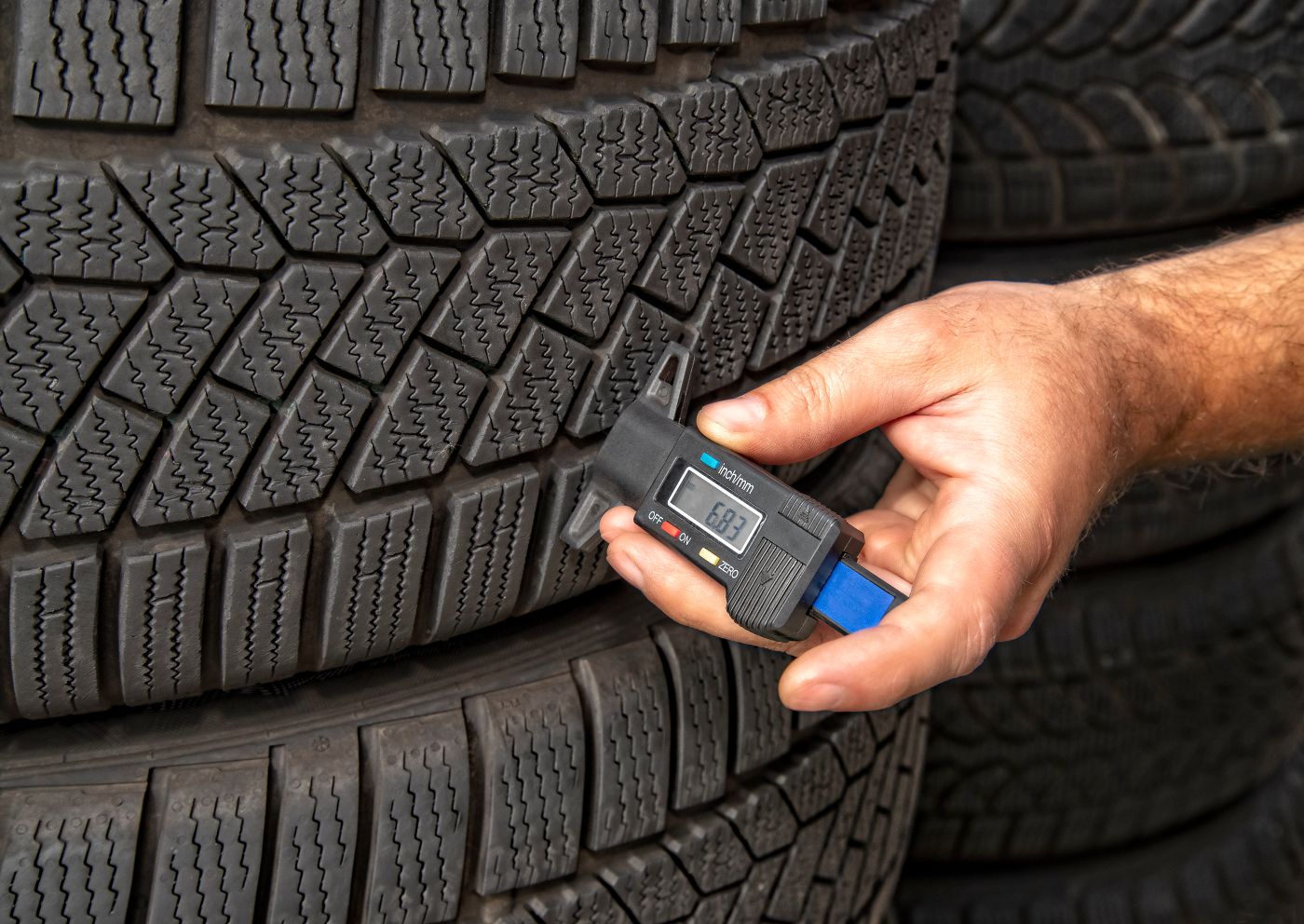
Tire tread depth directly affects braking performance and traction, especially during Edmonton’s variable weather conditions. As tread wears down, the tires lose grip and require more distance to stop, creating higher risk when braking in wet or icy environments. Good News Auto Mechanic helps drivers identify tire wear early to prevent reduced road performance and maintain safety before more serious handling concerns develop.
What Tire Tread Depth Represents
Tread depth refers to the vertical measurement of the grooves molded into the tire surface. These grooves allow water, light snow, and debris to move away from the contact point where the rubber meets the road. Deeper tread improves road contact stability and helps maintain friction under acceleration and braking. When tread becomes shallow, water cannot disperse effectively, which causes the tires to ride or slide over the surface rather than grip it.
Even if tires still look usable from a distance, lack of sufficient depth reduces their ability to slow the vehicle under applied pressure. Over time, this may force drivers to brake earlier or harder to compensate.
How to Measure Tread Depth
The most accurate method is to use a tread depth gauge. Insert the gauge probe into one of the deepest grooves across multiple areas of the tire for consistency. If using a coin, stand it upright in a groove and analyze how much is visible above the tread surface. If the top becomes clearly visible, tread may be below safe levels.
Checking tread depth on all four tires is important. Front and rear tires may wear at different speeds based on vehicle weight distribution and driving habits. Real-time digital tread meters may also be used by service technicians to provide more precise data.
Alberta Legal Minimums and Safety Thresholds
In Alberta, the legal minimum tread depth for most passenger vehicles is approximately 1.6 mm. When tread falls to this level, tire replacement becomes a mandatory safety action. However, most technicians recommend replacing tires at around 3.5 mm when driving in wet or winter conditions to improve braking and handling performance.
Tires naturally harden over time due to temperature exposure, and the lower the tread becomes, the less effective the tire is at responding to sudden changes in direction or road surface conditions. Access to tire safety information can help drivers prepare properly for seasonal shifts and choose when to replace ahead of weather transitions.
Edmonton Seasonal Impact on Tread Depth
Edmonton’s winter temperatures can accelerate tire hardening and increase moisture accumulation in the tread. In cold conditions, shallow tread reduces the tire’s ability to maintain contact with the pavement. Even if traction feels acceptable during dry days, unexpected snow or ice can cause loss of control more quickly than with adequate tread. Checking tread just before winter or immediately after high-use summer driving periods is often recommended to maintain readiness.
Signs of Uneven Tire Wear
Uneven tread depth often results from alignment issues, worn suspension components, or incorrect tire inflation. If tires wear more on one side, across the center, or in diagonal patterns, performance may degrade more quickly. Worn edges or flat patches can cause vibration or pulling while driving. When these signs appear, scheduling assessment through vehicle inspection services helps determine whether alignment correction or tire replacement is needed.
Tire Rotation and Maintenance
Rotating tires helps distribute wear more evenly, particularly on vehicles with front-heavy weight distribution or all-wheel drive. Rotation intervals typically range from every 8,000 to 10,000 kilometers. Drivers who tow, haul, or regularly stop in heavy traffic may experience accelerated wear and require earlier checks.
Maintaining recommended tire pressure improves tread lifespan and helps retain road grip. Underinflated tires spread unevenly over the road surface, causing faster edge wear, while overinflated tires wear more quickly in the center.
When to Replace Tires
Replace tires if tread depth is at or below 1.6 mm or if braking response time increases noticeably. For winter in Edmonton, replacement at higher tread depth helps reduce the chance of slipping or longer stopping times. Any signs of handling instability, increased road noise, or visible grooves falling below safe measurement should prompt inspection. Waiting until the tire becomes nearly bald increases risk of hydroplaning and collision.
Knowing remaining tread depth also helps plan replacement around seasonal price changes and availability. Many drivers replace tires ahead of winter before demand increases.
Ready to Have Your Tires Checked?
If you are unsure about tread depth or notice uneven wear, schedule a tire inspection with an Edmonton tire inspection professional to confirm remaining lifespan and safety requirements. Early assessment helps prevent unexpected braking performance issues and supports safer year-round driving.