


other services


When to Tow Your Car Instead of Driving
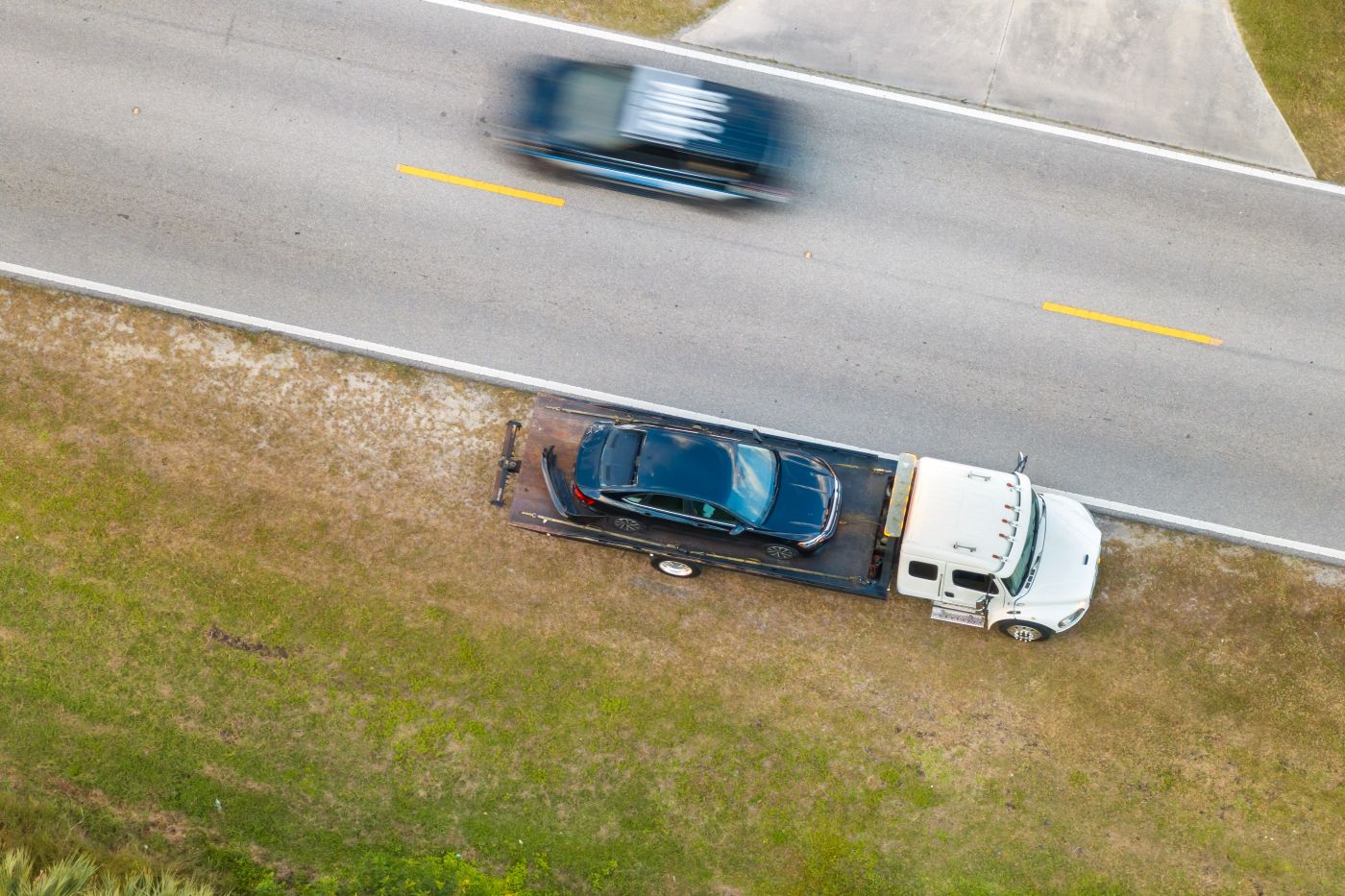
Knowing when to tow your car instead of driving it can prevent a mechanical problem from becoming a collision risk or a much larger repair. A vehicle should not be driven when braking, steering, stability, visibility, engine lubrication, or temperature control is compromised. Smoke, a major fluid leak, severe vibration, or a critical warning light also warrants stopping until the cause is understood. Good News Auto helps Edmonton drivers determine whether a vehicle can be driven safely or should arrive at the shop by tow.
The Safe-to-Drive Decision
The decision depends on two separate questions. Can the driver maintain complete control of the vehicle, and could continued operation cause rapid mechanical damage? A car can still move under its own power while being unsafe or damaging itself internally.
Do not drive if braking distance has changed, steering feels unpredictable, a wheel appears unstable, the temperature is rising, or oil pressure is lost. The same applies when smoke, a fuel smell, an active fluid leak, or severe grinding accompanies the problem.
Visibility also determines whether the vehicle is safe to drive. Failed wipers during rain or snow, inoperative headlights after dark, or windshield damage that obstructs the driver’s view must be corrected before driving. Tow the vehicle if safe visibility cannot be restored where it is parked.
A short drive may be reasonable only when the symptom is minor and remains unchanged, the vehicle responds normally, fluid levels are confirmed safe, and no critical warning is present. When no safety-critical symptom exists, stability can be checked while the vehicle idles and, if safe, during a controlled low-speed check away from traffic. Stop if a new warning appears or if temperature, fluid loss, vibration, noise, or vehicle control changes.
Collision damage requires the same safety assessment. Deployed airbags, loose body panels, a hood that may open, damaged lights required for current conditions, leaking fluid, or a visibly displaced wheel can make towing necessary even when the vehicle still moves.
If a serious symptom begins while driving, reduce speed and move to the nearest safe stopping location without travelling farther than necessary. Turn on the hazard lights and stop away from moving traffic when vehicle control allows. If the car cannot be moved safely, remain aware of surrounding traffic and contact emergency or towing assistance.
Warning Signs That Mean Stop Driving
Any problem that affects control, stopping ability, tire contact, engine lubrication, cooling, or fire risk should be treated as a reason to stop. The vehicle does not need to break down completely before towing becomes the safer choice.
The severity of the symptom matters more than the distance to the repair shop. A short trip can still be unsafe when a component could fail suddenly or the vehicle is already operating without sufficient fluid, pressure, or cooling.
Tire and wheel damage also requires an immediate decision. Do not drive on a flat tire, sidewall bulge, exposed cords, visibly damaged wheel, loose wheel, or tire that cannot hold pressure. These conditions can cause sudden air loss, wheel damage, or loss of control.
Brake, Steering, or Suspension Failure
Tow the vehicle if the brake pedal sinks toward the floor, braking power has decreased, the vehicle pulls sharply during braking, or brake fluid is leaking. Grinding combined with reduced braking, vibration, or a change in pedal response also requires inspection before the vehicle returns to the road.
A red brake warning light that remains on after the parking brake is released can indicate low fluid or another brake-system concern. An ABS warning by itself usually means the anti-lock function has been disabled while conventional braking remains available. However, combined ABS and red brake warnings, reduced braking, or altered pedal response require stopping and towing. Warning-light meanings should be confirmed in the owner’s manual.
Steering that becomes unusually heavy, jerky, loose, or difficult to centre can prevent the driver from responding to traffic or road conditions. A steering warning light combined with a change in steering effort warrants towing, particularly when fluid is leaking or mechanical noises occur while turning.
Suspension damage may require towing when the vehicle leans heavily, a wheel sits at an abnormal angle, a tire contacts the body, or the vehicle bounces, wanders, or pulls unpredictably. After a pothole or curb impact, new vibration, pulling, tire contact, wheel displacement, or unstable handling suggests that the damage affects more than ride comfort.
Overheating or Smoke
Stop the engine if the temperature warning appears, the gauge enters the hot range, or steam comes from beneath the hood. Continuing to drive an overheating engine can damage the cylinder head, head gasket, engine block, or internal components.
Allow the engine to cool without opening the radiator or coolant reservoir cap. A pressurized cooling system can release scalding coolant when opened hot. Cooling the engine does not establish that it is safe to drive again because the underlying cause may be a coolant leak, failed fan, broken belt, thermostat problem, water-pump fault, or internal engine issue.
Smoke from the engine compartment, a strong burning smell, or visible flames requires an immediate stop. Shut off the engine, move occupants away from the vehicle, and contact emergency services if fire is present or suspected. Do not reopen the hood when doing so could expose the fire to more oxygen.
Persistent, dense exhaust smoke can also justify towing when it appears with overheating, low oil pressure, misfiring, reduced power, warning lights, or falling fluid levels. A brief white vapour cloud during a cold start is usually condensation and is different from continuing smoke after the engine warms.
Major Fluid Leaks
A rapidly forming puddle, visible fluid spraying, or a fluid level that falls below its safe range can make the vehicle unsafe to operate. Engine oil, coolant, brake fluid, transmission fluid, fuel, and hydraulic power-steering fluid each support systems that can be damaged or disabled when fluid is lost.
Do not start or drive a vehicle that is leaking fuel or producing a strong fuel smell. Fuel can ignite on hot components or from an electrical spark. Oil or another combustible fluid dripping onto hot exhaust components also creates a fire risk when accompanied by smoke or a burning smell.
Brake fluid loss can reduce stopping ability, while a significant power-steering leak can cause steering assistance to disappear. Low engine oil can lead to bearing damage or engine seizure. Coolant loss can cause overheating, and low transmission fluid can reduce hydraulic pressure and damage internal transmission components.
Only check a fluid level when the owner’s manual provides a safe procedure and the reservoir or dipstick is intended for user inspection. Some transmissions and cooling systems cannot be assessed accurately or safely at the roadside. Fluid colour alone is not reliable because age and contamination change its appearance.
Clear water beneath a vehicle after air-conditioner use is usually normal condensation. Windshield-washer fluid is not mechanically critical, although losing it can affect visibility during dirty or winter driving conditions. If the fluid cannot be identified or the leak remains active, do not assume the vehicle is safe based only on puddle size.
Flashing Warning Lights
A flashing check-engine light commonly indicates an active misfire severe enough to overheat and damage the catalytic converter. Stop driving when the light flashes, particularly if the engine shakes, loses power, smells unusual, or runs unevenly. Because warning behaviour varies between manufacturers, confirm the vehicle-specific meaning in the owner’s manual.
Some urgent warnings remain solid rather than flashing. An oil-pressure warning means the engine may not be receiving adequate lubrication. A coolant-temperature warning means the engine may be overheating. Either condition can cause major damage within a short distance and should not be treated like a routine maintenance reminder.
A battery or charging-system warning indicates that the vehicle may not be receiving enough electrical power from the alternator. Stop promptly and monitor the temperature gauge because a broken drive belt may affect both charging and engine cooling on some vehicles. Towing is the safer choice when the cause is unknown, even if the vehicle still appears to operate normally. Do not continue if lights dim, electrical systems weaken, steering effort changes, or temperature rises.
A steady ABS, traction-control, airbag, or tire-pressure warning does not always require immediate towing when the vehicle otherwise operates normally. However, the affected safety function may be reduced or unavailable. Combined warnings, a red brake light, altered handling, low tire pressure that will not hold, or another physical symptom changes the decision from prompt inspection to towing.
Problems That May Still Allow a Short Drive
A short drive to a repair shop may be reasonable when the vehicle starts, accelerates, steers, brakes, and maintains temperature normally. The symptom must remain stable, and there should be no smoke, strong odour, severe vibration, active major leak, or critical warning.
Examples include a steady check-engine light without flashing or drivability changes, a confirmed minor fluid seep with a stable and safely verifiable fluid level, or a non-critical accessory problem. A suspension noise may allow a limited drive only when steering remains precise, the wheels sit normally, the vehicle does not pull or vibrate, and no tire contacts the body.
Low tire pressure may allow a short drive after the tire is inflated to the vehicle’s specified pressure. Recheck it before leaving to confirm that it is holding air. Do not drive if pressure falls again or the tire has a bulge, cut, exposed cords, sidewall damage, severe vibration, or visible wheel damage.
Do not classify grinding, knocking, metallic rattling, or a noise tied to wheel speed, engine speed, braking, or steering as minor without diagnosis. These patterns can indicate faults that worsen through continued operation.
Keep the trip direct, limit speed, and avoid highways when practical. Stop if the warning changes or the symptom worsens. If the driver cannot confirm that braking, steering, fluid levels, tires, visibility, and engine temperature are safe, towing avoids relying on an uncertain roadside assessment.
Tow vs Drive Decision Guide
Use these outcomes to decide how the vehicle should reach the repair shop:
- Tow: Braking, steering, handling, or wheel stability has changed.
- Tow: The engine is overheating, oil pressure is lost, or a major fluid leak is active.
- Stop and address the immediate danger before towing: Smoke, flames, leaking fuel, or a strong fuel smell is present.
- Tow: The check-engine light is flashing and the engine shakes, misfires, loses power, or smells unusual.
- Tow: A charging warning appears and the cause cannot be confirmed, particularly if electrical power weakens or temperature rises.
- Tow: A tire is flat, structurally damaged, unable to hold pressure, or mounted on a visibly damaged or loose wheel.
- Do not drive until corrected: Wipers, headlights, or windshield damage prevent adequate visibility for current conditions.
- Tow: Collision damage has deployed airbags, displaced a wheel, released fluid, or left the hood, lights, or body panels unsecured.
- A short drive may be reasonable: A steady non-critical warning appears without changes in control, temperature, performance, fluid levels, or vehicle behaviour.
- Tow when uncertain: The possible fault affects braking, steering, tires, lubrication, cooling, visibility, or fire risk and safe operation cannot be confirmed.
How Driving Can Turn a Repair Into Major Damage
An overheating problem may begin with a leaking hose, failed thermostat, cooling fan, or water pump. Driving after the temperature rises can warp sealing surfaces, damage the head gasket, or cause internal engine failure. The resulting repair can extend well beyond the original cooling-system fault.
Low oil pressure can damage bearings, camshafts, turbochargers, and other lubricated components. Low transmission fluid can cause slipping, overheating, and internal clutch or gear damage. In both cases, continued operation allows heat and friction to affect components that were not part of the initial leak.
Driving with a severe misfire can send unburned fuel into the exhaust and overheat the catalytic converter. Continuing on damaged brakes can wear through friction material and damage rotors or calipers. A loose steering or suspension component can damage the tire, wheel, bearing, or connected hardware while also increasing the risk of losing control.
Driving on a deflated or structurally damaged tire can destroy a tire that might otherwise have been repairable. Continued movement can also damage the wheel, tire-pressure sensor, suspension, or nearby bodywork.
Towing has an immediate cost, but that cost should be compared with the safety risk and the components exposed to further damage. When the vehicle cannot control, cool, lubricate, or support itself correctly, driving it to the shop is not the less expensive option.
Vehicle Safety Checks From Good News Auto Mechanic
Good News Auto provides vehicle inspections and automotive repair services in Edmonton for drivers dealing with warning lights, fluid leaks, handling changes, overheating, unusual noises, and other safety concerns. Inspections can cover diagnostic scanning, brakes, suspension, steering-related symptoms, tires, and the systems connected to the reported problem.
The required checks depend on why the vehicle was stopped. Brake symptoms require an assessment of hydraulic operation and braking components. Handling concerns may involve suspension, steering, tires, wheel alignment, or wheel bearings. Overheating and fluid leaks require the affected system to be located and tested before the vehicle is driven again.
The inspection determines whether the vehicle is safe to road-test, requires repair before further operation, or can be driven temporarily with specific limitations. Tell Good News Auto what happened before the vehicle stopped, which warning lights appeared, whether any fluid was visible, and how the vehicle responded while braking, steering, or accelerating.
If the vehicle has a safety-critical symptom or could suffer further damage, arrange for it to arrive by tow rather than using the drive to the shop as a test.