


other services


Why Overheating in Summer Can Ruin an Engine Fast
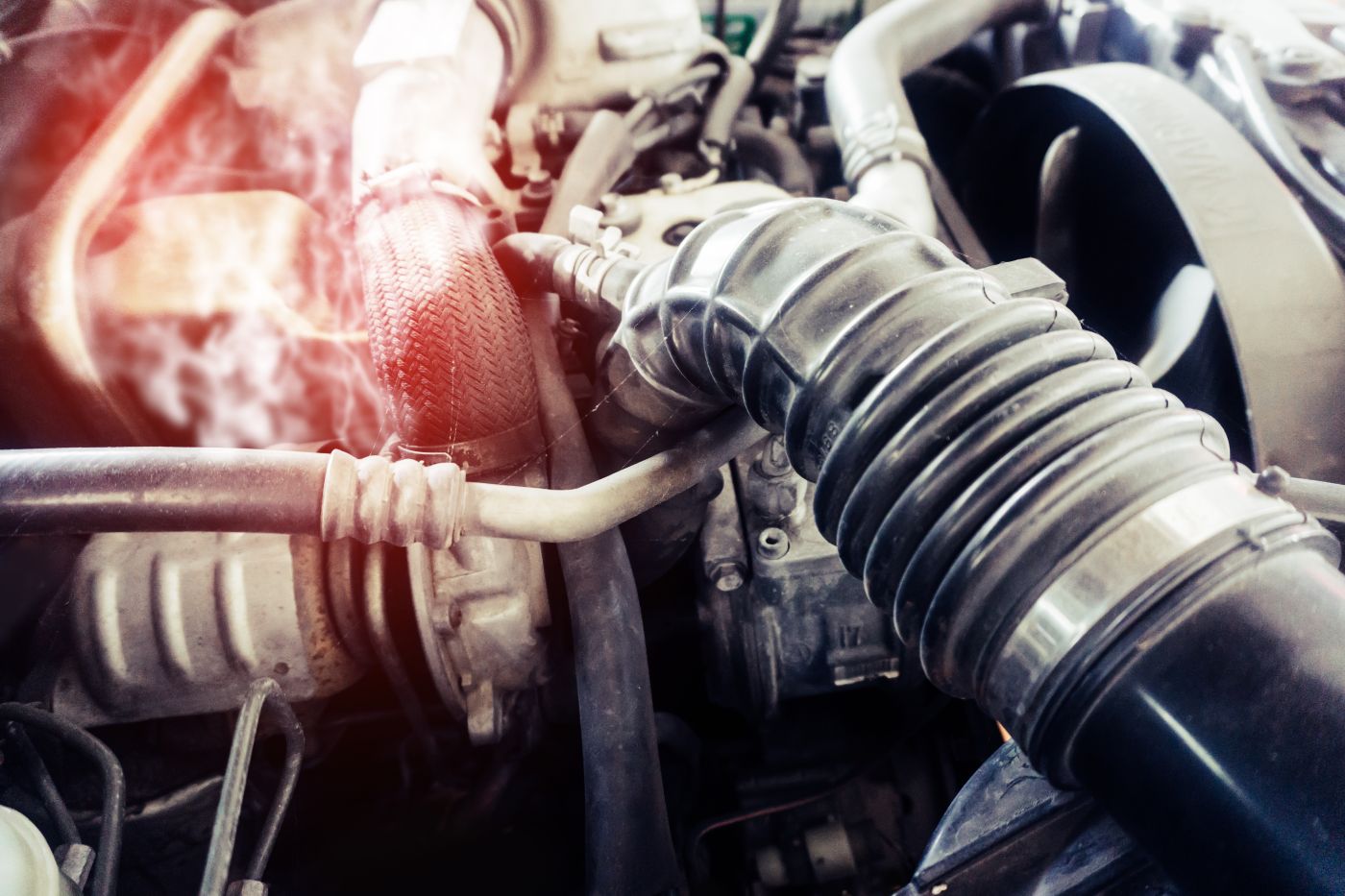
Why overheating in summer can ruin an engine fast comes down to how quickly excess heat overwhelms the cooling system, engine oil, gaskets, and metal components. A brief rise in temperature can become serious if the vehicle keeps running under load, especially in traffic, heat, or towing conditions. Good News Auto helps drivers identify overheating risks early and address engine cooling concerns before they turn into major engine damage.
Why Engines Fail Faster From Heat Than Cold
Engines are built to operate within a controlled temperature range. When heat rises beyond that range, metal parts expand, oil thins, and seals can lose their ability to contain pressure and fluids.
Cold starts can cause wear over time, but overheating can create damage much faster because the engine is already running under pressure. Once heat exceeds what the cooling system and oil can manage, the risk shifts from temporary warning to mechanical failure.
The most serious concern is continued driving after the temperature warning appears. The longer the engine runs while overheated, the greater the chance of warped components, gasket failure, oil breakdown, or internal engine damage.
How Summer Driving Stresses the Cooling System
Summer heat reduces the cooling system’s margin for error. A system that seems acceptable in mild weather may struggle when outside temperatures rise, air conditioning runs constantly, or the vehicle sits in traffic with limited airflow.
The cooling system must move heat away from the engine while maintaining pressure, coolant flow, and airflow through the radiator. If one part is weak, summer conditions can expose the problem quickly.
Coolant Breakdown and Pressure Loss
Coolant helps absorb and transfer heat, but it also depends on the system holding proper pressure. Pressure raises the boiling point of the coolant, which helps prevent overheating under normal operating conditions.
If coolant is old, contaminated, low, or unable to circulate properly, heat transfer becomes less effective. If the system loses pressure through a cap, hose, leak, or weak component, coolant can boil sooner and the engine can overheat faster.
A small coolant issue may not show up during short trips or cooler weather. In summer, that same issue can become noticeable when the engine has less room to recover from heat buildup.
Traffic, Towing, and High RPM Conditions
Traffic, towing, and high RPM driving increase heat because the engine works harder while cooling efficiency can drop. Stop-and-go traffic is especially hard on the system because airflow through the radiator depends more on fans than road speed.
Towing adds load to the engine and transmission, which increases heat output. High RPM driving can create similar stress because the engine produces more heat over a shorter period.
These conditions do not automatically mean an engine will overheat. They increase risk when the cooling system is already weak, underfilled, restricted, or unable to maintain pressure.
The Point Where Overheating Causes Permanent Damage
Overheating becomes engine-threatening when the temperature continues rising, the warning light stays on, steam appears, coolant leaks, the engine loses power, or the vehicle starts running roughly. At that point, continued driving can turn a repairable cooling issue into internal engine damage.
Irreversible damage can happen quickly once the engine runs too hot. The exact timing depends on the engine, coolant level, load, outside temperature, and how far the vehicle is driven after the warning starts.
The safest decision is to stop driving when the temperature gauge spikes and does not return to normal quickly, or when any warning sign appears with steam, smell, fluid loss, or performance changes. A brief spike that immediately returns to normal may still need inspection, but a sustained overheat should not be treated as safe to drive through.
Common Misjudgments Drivers Make When Overheating Starts
Many drivers assume they can finish the trip if the vehicle still moves. That is risky because engine damage can begin before the vehicle fully breaks down.
Common misjudgments include:
- Thinking a short distance is harmless once the temperature warning is active
- Assuming the issue is minor because the vehicle has overheated before
- Opening the coolant cap while the system is hot
- Continuing to drive because the gauge drops temporarily
- Ignoring coolant smell, steam, or reduced engine power
Minor overheating episodes can stack into long-term damage if the cause remains unresolved. Repeated heat stress can weaken gaskets, age hoses, reduce coolant performance, and increase the chance of future overheating under load.
What Immediate Action Prevents Engine Failure
The best immediate action is to stop driving as soon as it is safe when the engine temperature warning stays active, steam appears, or the vehicle shows signs of heat-related performance problems. Turn the vehicle off and allow it to cool before any inspection.
Do not remove the coolant cap while the engine is hot. The system can be under pressure, and opening it too soon can release hot coolant or steam.
After the vehicle cools, the next decision is whether it can be safely checked or should be towed. If coolant is leaking, the warning returns, the engine runs poorly, or the vehicle overheats again, driving should stop. Good News Auto’s engine services can help identify whether the issue is related to coolant loss, pressure problems, airflow, leaks, or another engine concern before more serious damage occurs.