


other services


How Edmonton’s Climate Affects Your Car’s Maintenance Schedule
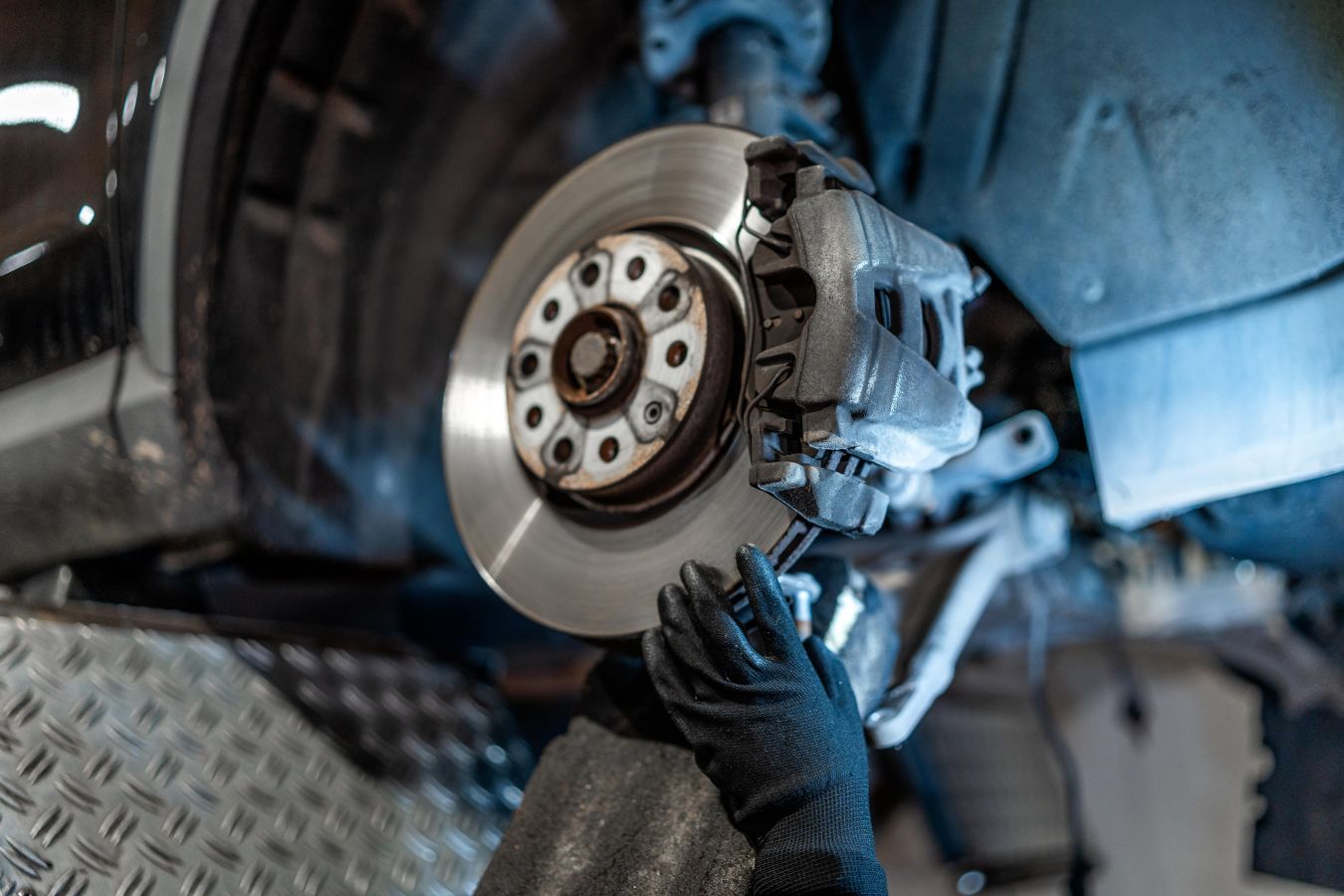
Edmonton climate car maintenance looks different from the schedule printed in most owner's manuals. Winters that regularly dip below -30°C, roads coated in salt and brine from November to March, and summer heat waves above 30°C all wear parts faster than the average conditions manufacturers plan around. Good News Auto services cars, trucks and SUVs across Edmonton in every season, and this guide explains how our climate changes battery, tire, suspension, fluid and rust care, and where local drivers should service sooner than the standard schedule.
Cold Winters, Battery Reliability and Cold Starts
Extreme cold cuts a battery's output at the same time the engine needs more power to turn over. At around -18°C a battery can lose roughly a third of its cranking power, and closer to -30°C it can lose more than half, which is why dead batteries are the most common winter call in Edmonton. Most batteries here last three to five years, so once yours is three years old, have it load tested every fall before the first cold snap. Plugging in your block heater when temperatures fall below about -15°C, using the 0W or 5W synthetic oil your manual allows, and avoiding a steady diet of short trips that never let the engine warm up all reduce cold-start wear. Our engine services cover cold-start problems, and our guides to how extreme cold affects engine oil and battery life and overnight battery drain in cold weather go deeper.
Road Salt, Brine and Undercarriage Corrosion
Road salt and the calcium chloride brine sprayed on Edmonton roads keep streets safer, but the residue clings to the underside of your vehicle all winter and speeds up rust. Brake lines, fuel lines, exhaust pipes and muffler hangers, and the subframe and suspension mounts take the worst of it. Rusted brake lines can leak or burst, which turns a cosmetic problem into a safety one. Rinsing the undercarriage on mild days above freezing slows the damage, and a spring underbody inspection catches corrosion while it is still cheap to fix. Book brake services after winter if your lines or rotors show heavy rust, and read our guide to winter salt damage and exhaust corrosion to tell surface rust from damage that needs repair.
Freeze-Thaw Potholes and Suspension Wear
Edmonton's spring freeze-thaw cycles open up potholes faster than crews can patch them, and every hard hit loads your struts, shocks, ball joints, tie rods and control arm bushings. Rubber parts such as CV boots and bushings also stiffen and crack in deep cold, letting grease escape and dirt in. If your vehicle pulls to one side, clunks over bumps or wears the inside edge of its tires after winter, have the steering and suspension services checked and the alignment set before small play turns into uneven tire wear or a failed part.
Summer Heat, Tire Pressure and Fluid Breakdown
Hot summers can be just as hard on vehicles as freezing winters. Tire pressure rises about 1 psi for every 5 to 6°C of temperature change, so a tire set correctly on a cool morning can be overinflated by a hot afternoon, wearing the centre of the tread and raising blowout risk. Heat also shortens battery life, pushes the cooling system and air conditioning harder in stop-and-go traffic, and breaks down coolant and transmission fluid faster, especially when towing a trailer or loading up for a road trip. Seasonal tire services, an AC performance check and a look at coolant condition before summer travel prevent most heat-related breakdowns. Our post on how often to flush coolant in Alberta explains when old coolant stops protecting the engine.
Seasonal Changeovers and Fluid Checks
The switch between seasons is the best time to service your vehicle. Install winter tires with the three-peak mountain snowflake symbol once daytime temperatures stay below 7°C, which in Edmonton usually means October, and switch back to all-season or summer tires in April or May. At each changeover, check engine oil, coolant, brake fluid and transmission fluid, confirm your coolant protects to at least -37°C, and fill up with washer fluid rated to -40°C. It is also the right time to replace streaking wiper blades and inspect belts and hoses that cold has made brittle. Seasonal vehicle inspections catch these small issues before they grow into costly repairs, and our checklist of the fluids your vehicle depends on shows what to look for between visits.
How Edmonton Maintenance Differs From Manufacturer Guidelines
Manufacturer schedules assume average driving conditions. Most owner's manuals also list a severe service schedule for vehicles driven in extreme cold or heat, on salted or dusty roads, with frequent short trips or long periods of idling, and typical Edmonton commuting checks most of those boxes. In practice, Edmonton climate car maintenance means following the severe service intervals and adjusting a few items for local conditions.
- Change the oil on the severe service interval if most of your driving is short trips or idling in the cold.
- Load test the battery every fall once it is three years old, rather than waiting for a slow start.
- Switch to winter tires below 7°C and check tire pressure monthly and after every big temperature swing.
- Confirm coolant protection to at least -37°C and keep washer fluid rated to -40°C in the reservoir all winter.
- Have the brake lines, exhaust and suspension mounts inspected every spring for salt corrosion.
- Check the alignment after pothole season or any hard impact.
Skipping these adjustments leads to faster wear and unexpected repairs, while following an Edmonton-specific plan keeps your vehicle safer and lasting longer. For a season-by-season version, see our vehicle maintenance schedule for Edmonton drivers.
Regular servicing makes all the difference in a city with a climate as demanding as ours. The licensed technicians at Good News Auto handle routine car maintenance and seasonal repairs for Edmonton drivers year-round. Call 780-485-1993 to book your next service and stay ahead of seasonal wear.